April 16, 2026
A car accident can be a traumatic and confusing event. According to the World Health Organization, there are about 1.19 million fatalities annually as a result of car crashes. Knowing the right steps to take immediately after can help protect your legal rights, health, and financial well-being. Knowing this process can prevent long-term complications and help in timely recovery. Being informed is key to making educated decisions during critical moments following an accident when you may not be thinking clearly.
1. Assess Your Physical Condition and Safety
Immediately after a car accident, take a moment to evaluate yourself for any visible or felt injuries. Check on all passengers to ascertain their condition and prioritize those needing urgent medical attention. Severe accidents can leave individuals in shock, obscuring the true extent of injuries initially perceived. Staying calm and collected is crucial to effectively assessing the situation. Remember that injuries may not always be visible or felt immediately, necessitating a thorough self-assessment.
If your physical condition allows, relocate your vehicle to a safe area, such as the shoulder of the road or away from oncoming traffic. This helps prevent further accidents and protects the safety of yourself and others. In doing so, turn on your hazard lights to alert other drivers to the car accident. If unable to move the vehicles, remain inside with seatbelts fastened to minimize the risk from passing traffic. Other drivers may be distracted by the wreckage, so you must stay in a position that minimizes possible collisions.
Activating your vehicle’s hazard lights serves as a crucial warning signal to other drivers. This helps reduce the risk of additional collisions and informs approaching drivers that caution is needed. Hazard lights are recognized universally as a form of communication for when vehicles are stalled or in distress. Coupled with setting up warning triangles or flares if available, it further enhances safety. Effective early signaling allows drivers coming toward the scene to reduce speed and navigate safely.
2. Contact Emergency Services
The first response after securing your safety should be to dial 911. Alerting emergency services enables them to respond promptly to provide medical assistance and manage traffic. Be prepared to describe the accident’s location, number of vehicles involved, and any apparent injuries. This information determines the type of response and resources sent to the scene. Quick communication with emergency responders is essential in high-risk situations where time is critical for saving lives.
When speaking to the 911 operator, provide accurate and detailed information to avoid misunderstandings that could delay aid. Specify your exact location using landmarks or cross streets if direct address details aren't available. Provide a clear picture of the situation, noting the condition of all parties involved. This preparation aids emergency services in offering the correct assistance and dispatching the right personnel. Accurate details can vastly improve the efficacy of the emergency response.
Requesting a police presence at the scene is essential for documentation and legal reasons. A police report serves as an official record of the incident, detailing statements and evidence gathered on-site. This report becomes invaluable when dealing with insurance companies or legal proceedings. All parties involved must stay at the scene until the police arrive to provide their account. Documentation from a neutral body can protect you from false claims or liabilities.
3. Document the Scene
Capture detailed images and videos of the car accident scene, documenting all involved vehicles and any visible damage. Record the immediate environment, such as road conditions, traffic signals, or weather impacts that may have contributed. Photographs should include close-ups of injuries sustained and wide shots of the accident scene for comprehensive evidence. Visual documentation aids immensely during insurance claims by providing undeniable evidence of the incident. Preserving this evidence creates a strong foundation to support your claims and recollections.
If there are any bystanders, collect contact information as their testimonials might be crucial for future legal or insurance disputes. Independent witnesses can offer an unbiased perspective, strengthening your case or account of events. Their observations might differ from those directly involved, hence influencing the interpretation of the accident. Witnesses can fill gaps where your memory might lapse due to the shock from the incident. Maintaining comprehensive records of witness details supports a thorough investigation and accountability.
Document the exact time and date of the car accident, as well as the weather and road conditions. This detailed note-taking provides context and helps in reconstructing the scene precisely during investigations or claims. Conditions like ice, rain, or fog could have drastically altered driving experiences, playing a pivotal role. Accurately recounting these variables can be beneficial, especially if weather or road conditions were unexpected or dangerous. Such detailed records provide clarity and understanding during claim processes.
4. Communicate with Your Insurance Company
Contact your insurance provider immediately following the accident to report the incident. Insurers often require timely notification, usually within a set period outlined in your policy, emphasizing the need for prompt action. Furnish them with comprehensive details collected at the scene, aiding in swift and efficient claim handling. Reporting promptly validates that your documentation is fresh and accurate, which can expedite processing.
Give your insurer detailed and factual accounts of the accident to facilitate effective claim handling. Distilled and precise information allows insurance adjusters to evaluate the situation accurately and decide on coverage. Attach the photo and video documentation as part of your detailed report. Confirming that all information provided is truthful and precise prevents future disputes regarding misrepresented facts. The more thorough your submission, the stronger your case becomes during the claims process.
Review your insurance policy to understand coverage extents, deductible requirements, and processes involved in claim submissions. Knowing what your policy covers protects you from facing unexpected expenses and guides decision-making in the steps after a car accident. Informed individuals are better equipped to negotiate or appeal insurers' decisions regarding claims. Understanding the intricacies of your policy can reveal additional benefits or coverage areas you may overlook.
5. Evaluate Vehicle Damage and Repairs
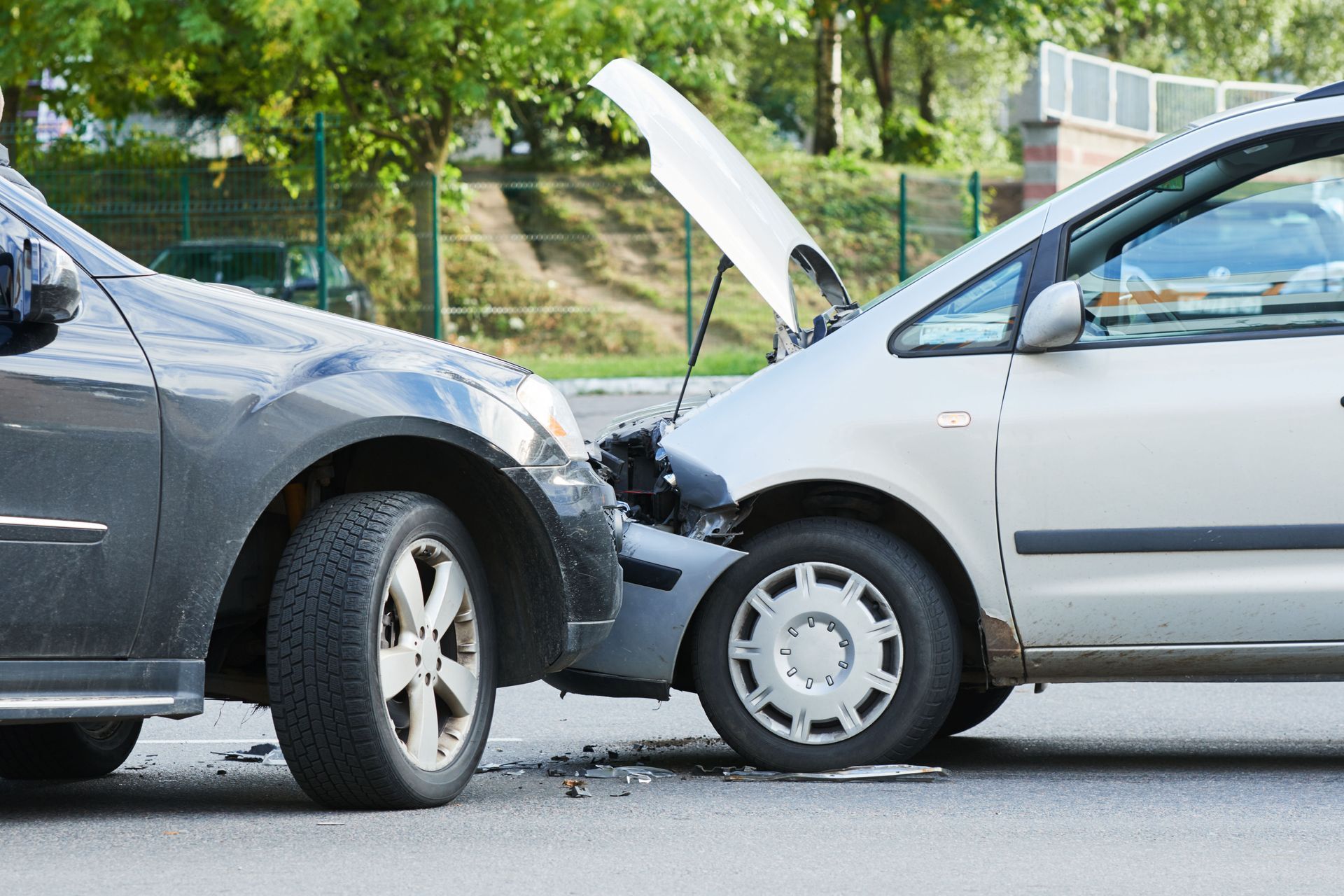
Once the initial chaos subsides, conduct a visual inspection of the vehicle to note any obvious structural or mechanical issues. While smashed bumpers or shattered glass are easy to spot, underlying damage to the frame or engine components is often hidden. Even minor fender benders can jar sensitive sensors or misalign the wheels. Documenting every scratch and dent immediately creates a clear record of the losses sustained during the collision.
Seeking professional assistance for a comprehensive damage appraisal is a critical next step. Certified technicians possess the diagnostic tools necessary to scan the internal computer systems for error codes caused by the impact. They can identify fluid leaks or compromised suspension parts that might make the vehicle unsafe to drive. Obtaining a detailed estimate provides a clear roadmap for the restoration process and helps you verify that the insurance payout covers the full scope of the work.
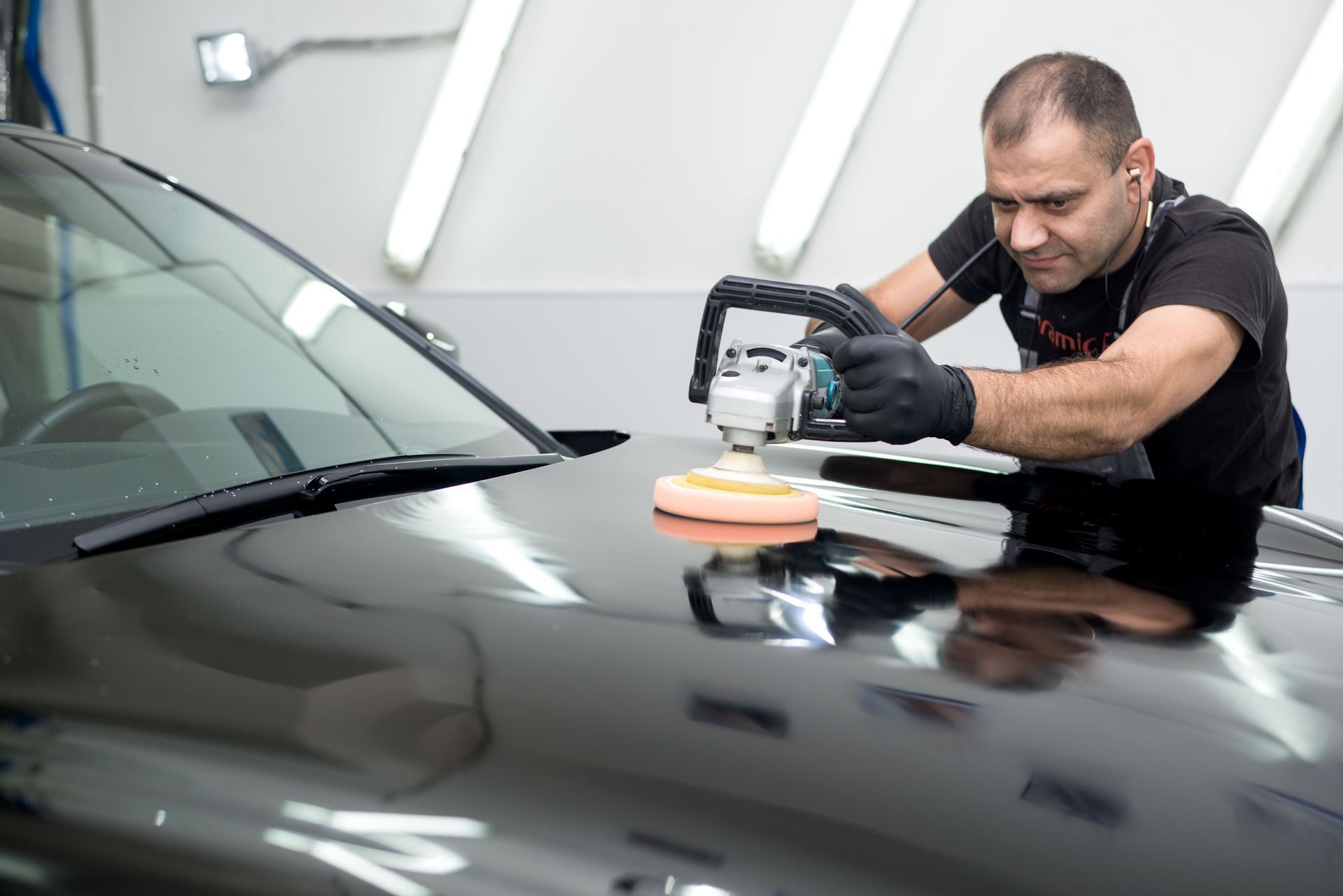
Coordinating the restoration of your vehicle requires a team that prioritizes safety and factory standards. Professional technicians work to restore the structural integrity of the car, returning it to its prior condition. This process preserves the long-term value of your investment and maintains the safety of the vehicle for future travel. A reputable facility with experienced staff allows you to move forward with the peace of mind that your car is in capable hands.
The aftermath of a car accident can be challenging, but following these critical steps can help you navigate the situation with confidence. By prioritizing safety, documentation, communication, and medical attention, you can protect yourself legally and financially while facilitating a smoother recovery process. Preparedness and knowledge transform crisis responses into calculated, beneficial actions post-accident. Contact the expert team at Alex's Paint & Body Inc today to receive professional collision repair and restore your vehicle to its optimal condition.