October 15, 2026
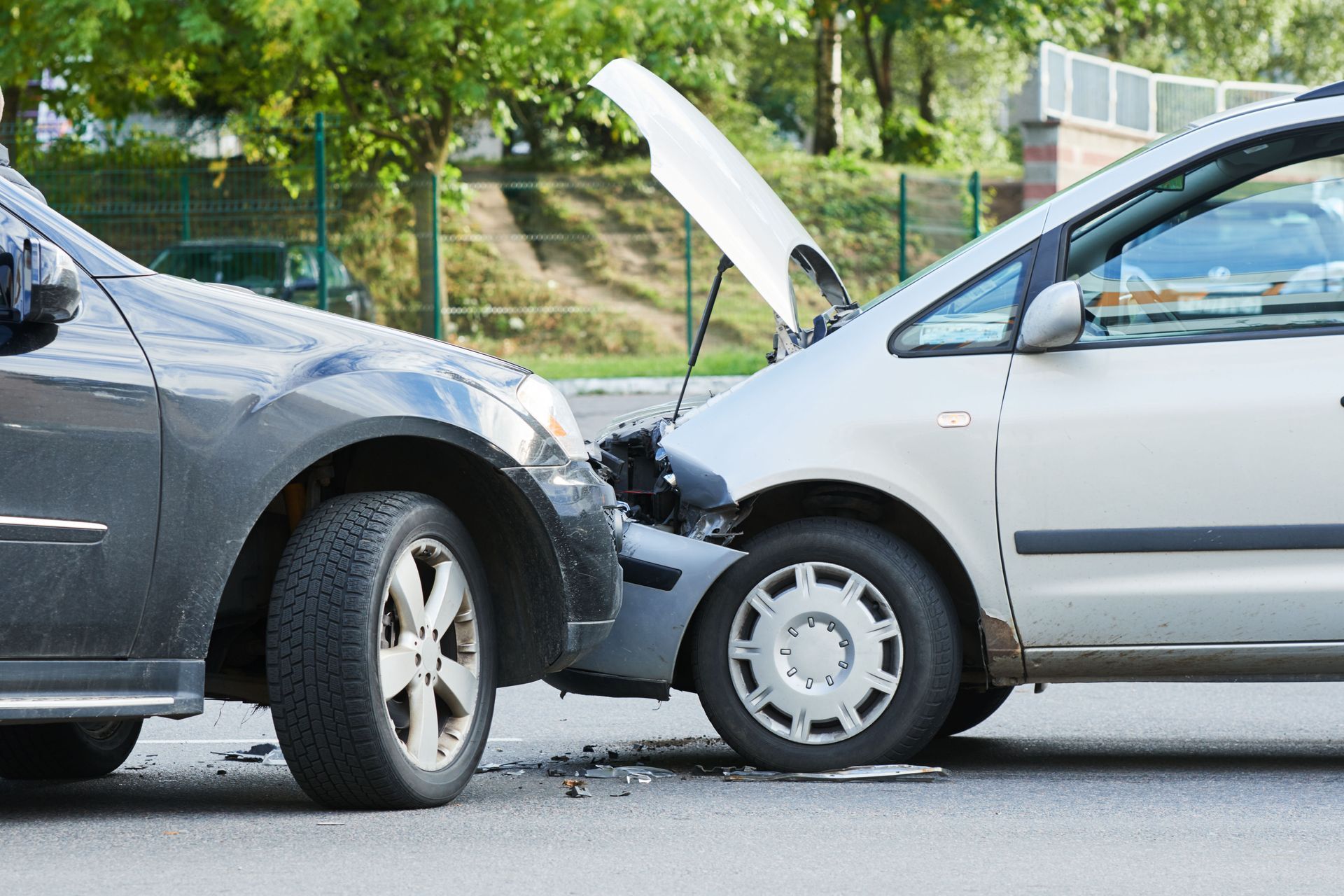
A collision can leave a vehicle with more than dents and damaged panels. Scratches, chipped paint, exposed metal, and uneven surfaces can all affect the appearance of a car after an accident. Repainting the affected areas requires more than simply applying a new layer of color over the damaged surface. Professionals follow a detailed process to prepare the vehicle, match the paint, apply the coating, and finish the repaired area. Each stage helps create a smooth appearance while protecting the repaired surfaces from everyday exposure. According to Consumer Reports, new auto paints are designed to last for 10 years. Understanding the repainting process can help vehicle owners know what to expect when their car enters a professional shop. Proper preparation and application are important parts of quality car repair after a crash.
Assessing The Extent Of Paint Damage
The first step is evaluating the condition of the vehicle after the collision. Professionals inspect the damaged panels to determine whether the paint has only been scratched or whether the underlying material has also been affected. They look for dents, cracks, peeling paint, exposed metal, and other signs that may require additional preparation. The surrounding panels are also examined to identify differences in color, finish, or texture. This evaluation helps determine which areas need to be repaired and which can remain untouched. A thorough inspection also helps identify damage that may not be obvious at first glance.
Professionals use the findings to establish an appropriate repair and refinishing process. Careful assessment gives the rest of the car repair process a clear starting point.
Repairing And Preparing Damaged Panels
Once the damage has been evaluated, technicians prepare the affected panels for refinishing. Dents may need to be repaired, while severely damaged components may require replacement before painting begins. Scratches and chips are addressed so that imperfections do not remain visible beneath the new finish. Any rust or exposed metal must also be properly treated before additional coatings are applied. The surface is then cleaned to remove dirt, grease, wax, and other contaminants. Sanding may be performed to smooth uneven areas and create an appropriate surface for primer. Proper preparation is essential because paint cannot produce a consistent result when applied over an unstable or contaminated surface. These steps help establish the smooth foundation needed for successful car repair.
Matching The Replacement Paint Color
Matching the replacement paint to the existing vehicle finish is another important part of the process. Modern vehicles can have complex colors that vary depending on lighting, age, and the original application. Technicians may use the vehicle's paint information along with specialized equipment to identify the appropriate color formula. They also consider how the existing finish has changed over time due to sunlight and normal exposure. A precise match helps the repaired area blend more naturally with surrounding panels. In some cases, technicians may need to adjust the paint formula to achieve a closer visual match. The goal is to prevent an obvious difference between the newly painted area and the original finish. Accurate color matching is therefore a key part of professional car repair.
Applying Primer To Prepared Surfaces
Primer provides an important transition between the prepared surface and the final layers of automotive paint. Technicians apply it to areas where previous coatings have been removed or where repairs have exposed underlying materials. The primer helps create a uniform surface for the color coat while supporting adhesion. Once applied, it must be allowed to cure according to the product's requirements. Technicians may then sand the primed surface to remove minor imperfections and create a smoother finish. Additional preparation may be necessary if the surface does not meet the desired standard. This stage requires patience because flaws in the primer can become noticeable after the final paint is applied. Proper priming contributes to a more consistent result during the car repair process.
Applying The Color And Clear Coats
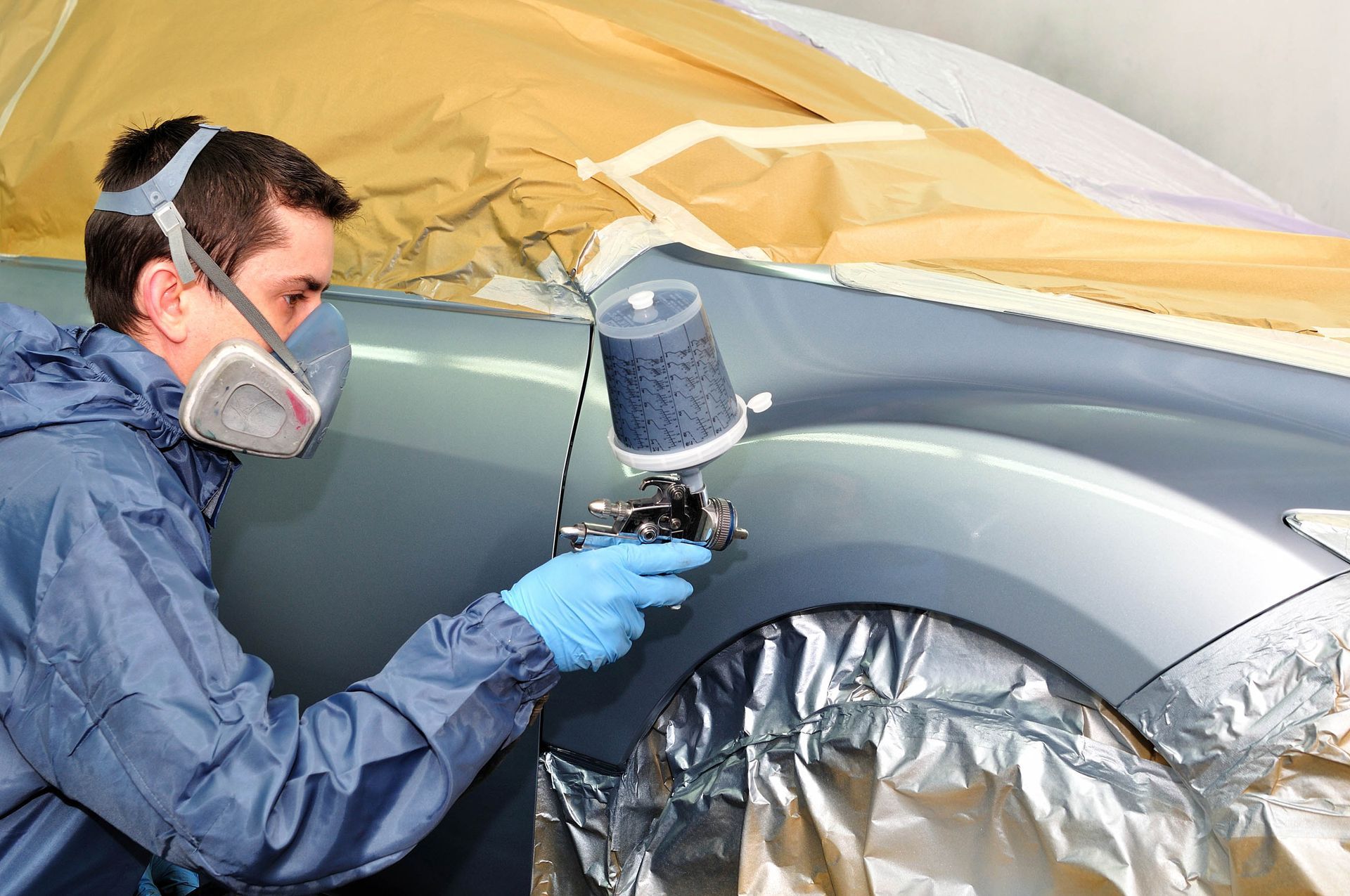
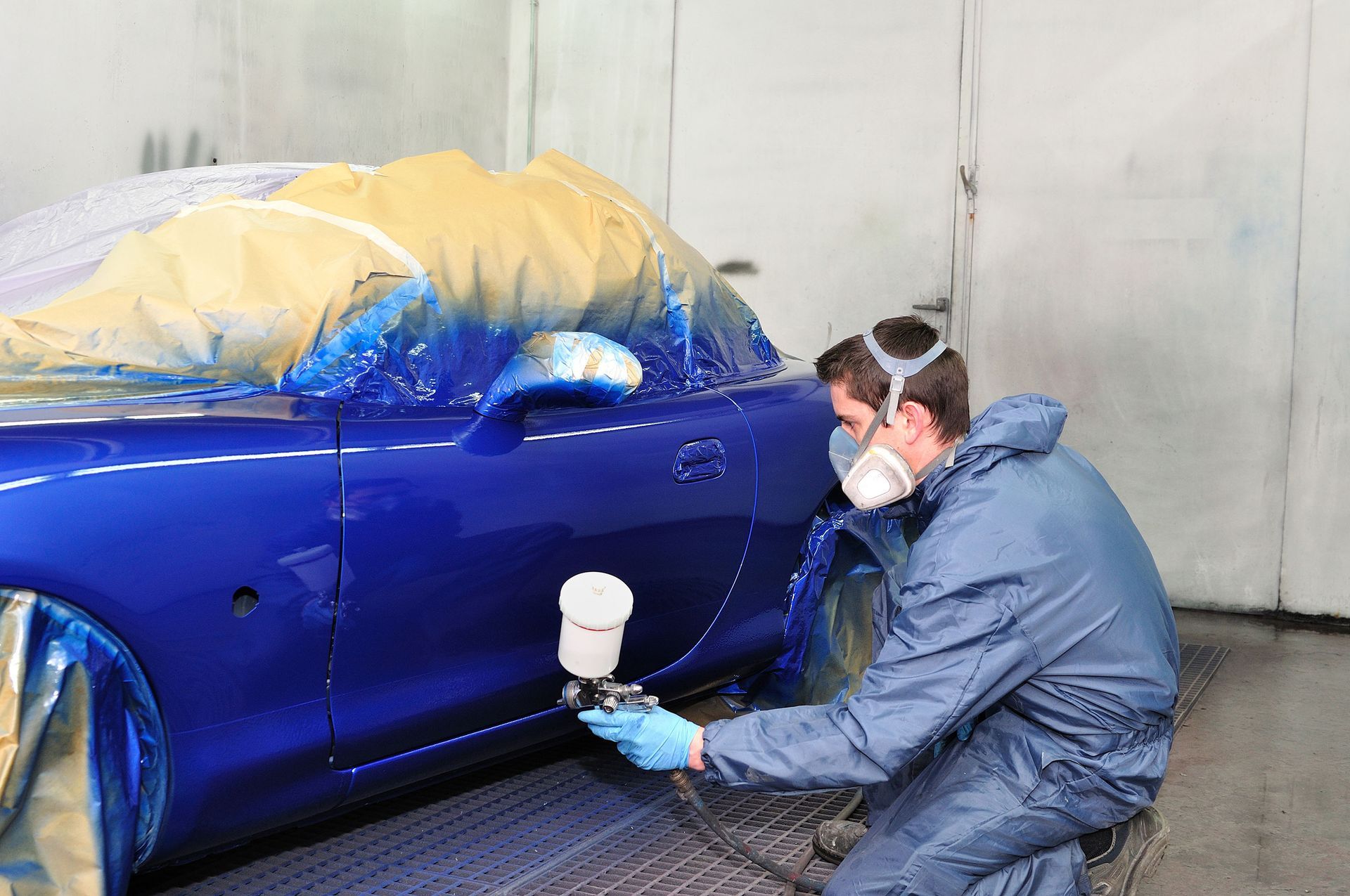
After preparation is complete, technicians apply the selected automotive color to the repaired areas. The paint is generally applied in controlled layers rather than as one heavy coating. Each layer must be applied evenly to avoid runs, uneven coverage, or visible variations in color. Technicians monitor the surface as they work to ensure that the new finish blends properly with adjacent areas. Once the color has reached the desired coverage, a clear coat is applied to provide the final protective layer. The clear coat also contributes to the gloss and overall appearance of the finished surface. Proper application techniques help maintain consistent coverage across the repaired section. These carefully controlled layers are central to achieving a professional car repair result.
Blending Paint Across Adjacent Areas
In some repairs, painting only the damaged section may leave a noticeable transition between new and existing paint. Professionals can use blending techniques to make the color change less visible across neighboring areas. The process involves gradually extending the new color into surrounding portions of the panel or adjacent surface. This approach can be especially useful when an exact visual match is difficult because of the vehicle's age or existing finish.
Technicians carefully control the amount and placement of paint during the blending process. They also consider lighting and viewing angles when evaluating whether the transition is noticeable. Proper blending can create a more uniform appearance across the repaired area. This attention to detail can make a significant difference in the final appearance of car repair work.
Curing And Inspecting The New Finish
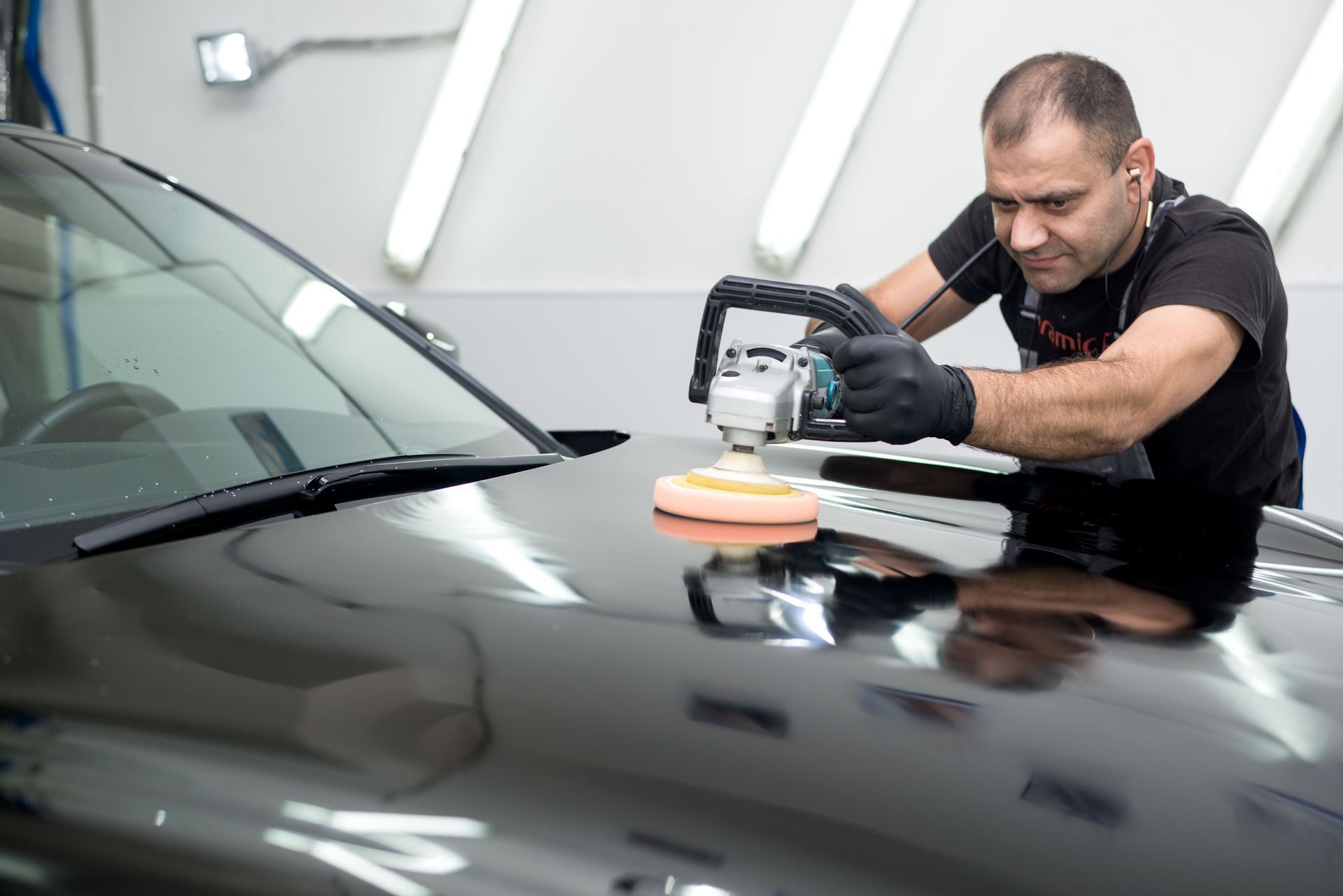
After the paint and clear coat have been applied, the finish needs sufficient time to cure. Depending on the products and equipment used, technicians may use controlled conditions to support the curing process. The vehicle is then inspected for issues such as uneven coverage, dust particles, runs, or imperfections in the finish. Any problems identified during inspection can be corrected before the vehicle is considered complete. Technicians also examine the repaired area under appropriate lighting to evaluate the color and overall appearance. The surrounding panels may be checked again to make sure the repaired area blends properly with the rest of the vehicle. A careful inspection helps catch minor problems that could otherwise become more noticeable after the vehicle leaves the shop. This final review is an important part of completing quality car repair.
The final stage involves cleaning and detailing the vehicle after the refinishing work has been completed. Technicians remove remaining dust, residue, masking materials, and other contaminants from the vehicle's exterior. The repaired areas are examined one more time for consistency in color, texture, and gloss. Any necessary finishing work can be completed before the vehicle is returned to its owner. Professionals may also check that trim, lights, handles, and other surrounding components are properly positioned after the repair. The vehicle is then presented with the repaired surfaces clean and ready for regular use. Following the appropriate finishing procedures helps preserve the appearance achieved during the refinishing process. For drivers recovering from an accident, professional car repair can help restore the vehicle's exterior and complete the collision repair process.
Alex's Paint & Body Inc provides professional collision repair and refinishing services for vehicles that have sustained accident-related damage. From evaluating damaged surfaces to preparing panels, matching paint, and completing the final finish, each stage requires careful attention to detail. Vehicle owners can contact us to discuss their damaged vehicle and determine the appropriate next steps for restoring its appearance.