July 15, 2026
Reaching 200,000 miles in a vehicle is a significant milestone that speaks volumes about both the vehicle's longevity and the owner's maintenance practices. Proactive car repair plays a crucial role in achieving this feat by preventing major breakdowns, reducing long-term expenses, and enhancing the overall performance of the car. This article explores the essentials of proactive maintenance and how it contributes to vehicular longevity.
Understanding Proactive Car Maintenance
Definition and Importance
Proactive car maintenance is a preventative approach to keeping your vehicle in optimal working condition. It involves regular check-ups and servicing to identify and address potential issues before they turn into costly repairs. This method contrasts with reactive repairs, which wait for a problem to occur before it is addressed. By maintaining a consistent care routine, drivers can prevent sudden breakdowns and enjoy a more reliable driving experience.
Difference from Reactive Maintenance
Reactive maintenance is the practice of fixing issues as they arise, often resulting in higher costs and extended downtime. In contrast, proactive car repair addresses potential problems during structured service intervals, minimizing the likelihood of unexpected failures. This approach allows for more efficient use of resources, as parts aren’t neglected to the point of complete failure. Furthermore, proactive maintenance often involves detailed inspections that might not be part of a typical reactive repair.
The Role of Regular Inspections
Regular inspections are the backbone of any proactive maintenance plan. These routine checks allow mechanics to evaluate the condition of critical components and fluids, ensuring that everything functions properly. They also provide an opportunity to spot early signs of wear and tear, which can be addressed before turning into major issues. This proactive approach contributes significantly to the vehicle reaching and surpassing 200,000 miles by maintaining optimal efficiency.
Regular Oil Changes and Fluid Checks
The Lifeblood of Your Engine
Oil serves as the lifeblood of your vehicle’s engine, providing essential lubrication that minimizes friction and wear between moving parts. In addition to oil, your vehicle relies on a variety of fluids, such as coolant, brake fluid, and transmission fluid, each playing a critical role in maintaining proper functionality. Regular oil and fluid checks are vital to engine health as they ensure that debris and other contaminants do not accumulate and cause damage. Neglecting these essential checks can lead to engine seizing, overheating, or other catastrophic failures.
Frequency and Recommendations
The frequency of oil changes and fluid checks varies depending on the type of vehicle, driving conditions, and type of oil used. Many mechanics recommend changing engine oil every 3,000 to 5,000 miles, while synthetic oils may extend this interval. It’s equally important to regularly check other fluids, such as coolant and brake fluid, to prevent potential leaks or degradation. Ultimately, following your vehicle manufacturer’s recommendations is key to maintaining optimal fluid levels and protecting engine components.
Cost-Benefit Analysis
While some drivers may view regular oil changes and fluid checks as additional expenses, they are actually cost-effective measures in maintaining vehicle health. Routine changes prevent the buildup of contaminants and deposits, which can lead to costly engine repairs or replacements. According to Gitnux, the average repair cost for an EV is approximately 27% higher than a combustion engine vehicle after a collision, highlighting the importance of preventive care. Regular maintenance ensures optimal engine performance, translating to lower fuel consumption and reduced operational costs in the long term.
Tire Maintenance and Its Long-Term Benefits
Importance of Tire Pressure
Maintaining appropriate tire pressure is crucial for safe driving and maximizing the lifespan of your tires. Under-inflated tires can lead to increased wear, reducing fuel efficiency and potentially causing blowouts. Over-inflation can result in decreased traction and uneven tire wear. Regularly checking and adjusting tire pressure helps maintain optimal contact with the road, improving safety and vehicle handling.
Alignment and Balancing
Regular wheel alignments and balancing play a vital role in maintaining tire integrity and vehicle stability. Proper alignment ensures that tires make correct contact with the road, preventing uneven wear patterns and improving overall handling. Balancing reduces vibration and stress on the suspension system, resulting in a smoother ride. Neglecting these services can lead to premature tire wear and expensive car repair work down the line. For more information.
Rotate for Even Wear
Tire rotation involves swapping a vehicle's tires in specific patterns to ensure even wear across all four tires. As front and rear tires experience different degrees of stress, regular rotations are necessary to balance the wear distribution. This process not only extends tire life but also optimizes fuel efficiency and vehicle stability. Most manufacturers recommend tire rotation every 5,000 to 8,000 miles, or at every other oil change, depending on individual driving habits.
Brake System Maintenance
Importance of Regular Inspections
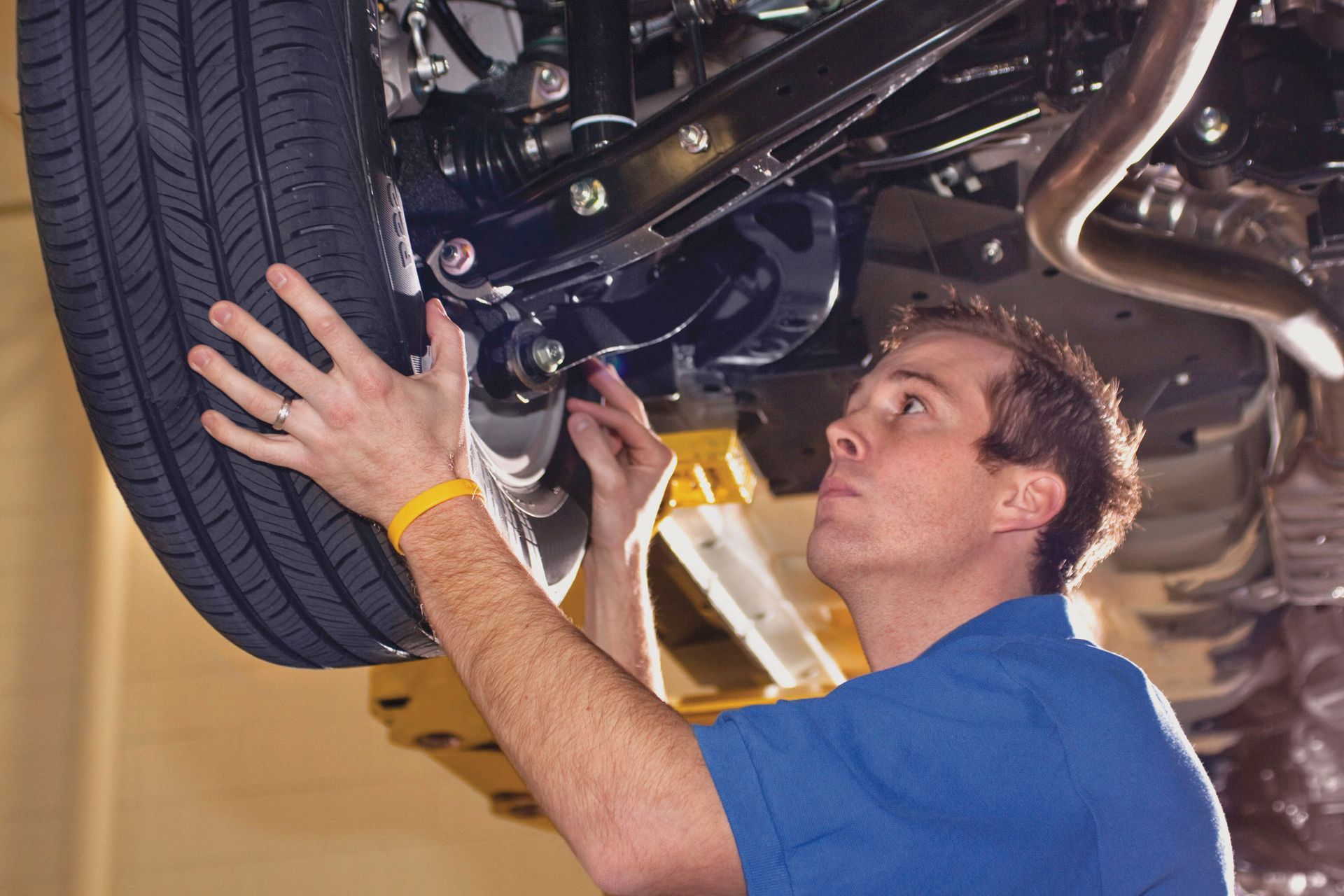
The brake system is a critical component responsible for vehicle safety, making regular inspections vital in identifying potential issues before they become costly repairs. Routine checks ensure that brake pads, rotors, and calipers are in good condition, maintaining optimal braking efficiency. It’s advisable to have brakes inspected every 10,000 miles or during every tire rotation to ensure reliability. By inspecting brakes regularly, drivers can catch signs of wear early and avoid serious, unexpected car repair situations.
Signs of Wear
Drivers should be vigilant for signs of brake wear, such as squeaking noises, reduced sensitivity, or a vibrating steering wheel when braking. These indicators suggest that immediate attention is necessary to prevent further damage or accidents. Regular brake fluid checks can also reveal degradation, which may affect brake performance. Addressing brake issues when detected ensures a secure driving experience and prolongs the life of your braking system.
Electrical and Battery Care
Ensuring Battery Health
A healthy battery is crucial for maintaining vehicle electrical systems and ensuring reliable starting performance. Regular battery checks can identify signs of aging or wear, such as corrosion, bulging, or terminal issues, that may necessitate replacement. Extreme temperatures can affect battery efficiency, reducing charge capacity and overall lifespan. By prioritizing battery health, drivers can enhance reliability and prevent unexpected breakdowns.
Common Electrical System Checks
Modern vehicles rely heavily on electrical systems for everything from engine management to in-cabin convenience features. Routine electrical system checks are essential to ensure that all components function correctly and to prevent failures. Inspecting the complex network of wires, fuses, and other components can help spot early signs of wear or faulty connections. Proactive electrical maintenance contributes to a dependable and efficient driving experience.
The Role of Technology in Proactive Maintenance
Modern Diagnostic Tools
Technology has revolutionized vehicle maintenance with modern diagnostic tools capable of swiftly identifying issues. Onboard diagnostic systems can monitor real-time data, access fault codes, and provide insights into car health. These advanced tools, available to both professionals and DIY enthusiasts, enhance the accuracy and efficiency of inspections. Early detection of problems through diagnostics can prevent costly car repair bills and prolong the vehicle’s life.
Integration of AI and Machine Learning
The integration of Artificial Intelligence and Machine Learning into vehicle maintenance represents the future of proactive care. These technologies enable predictive analytics that can anticipate maintenance needs based on driving patterns and historical data. AI-driven systems can optimize part replacements, detect anomalies, and even guide drivers on maintenance best practices. By incorporating these tools, vehicle owners gain access to customized maintenance plans that extend vehicle lifespan and performance.
Embracing proactive car repair can extend the life of a vehicle well beyond typical expectations, reaching and even surpassing the coveted 200,000-mile mark. Regular maintenance checks, timely fluid and part replacements, and leveraging modern car technologies are indispensable practices for any vehicle owner. By investing in proactive measures today, drivers can ensure a dependable, efficient, and cost-effective car repair experience for the life of their vehicle. For more information, contact Alex's Paint & Body Inc.