August 12, 2026
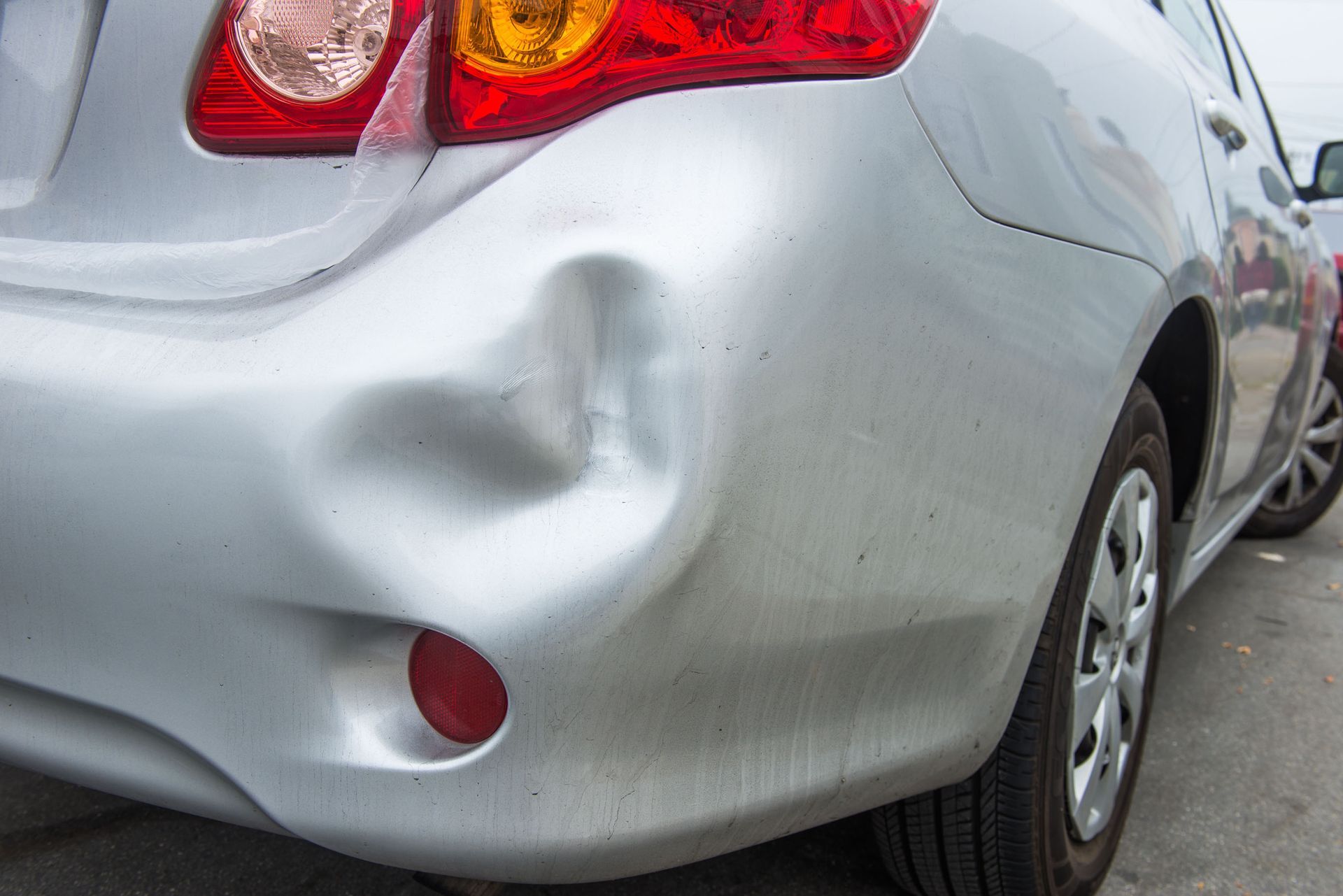
The importance of precision in modern car collision repairs cannot be overstated in today's rapidly evolving automotive landscape. As vehicle manufacturing technology has advanced at an unprecedented pace over the past few decades, the materials, structural frameworks, and electronic systems integrated into everyday automobiles have become extraordinarily complex. This technological shift necessitates a far higher level of technical accuracy during the restoration process following an accident. Precision in repairs is no longer simply an aesthetic concern regarding straight body panels and smooth paint finishes; it is a fundamental requirement that directly influences structural integrity, passenger safety, mechanical performance, and long-term asset value. A meticulous repair process ensures that a vehicle operates as its original engineers intended, maintaining its safety ratings and operational efficiency for years to come. Understanding the critical role of exactness in automotive restoration unearths a vast array of technological, structural, and operational considerations that underpin modern vehicle service.
Evolution of Vehicle Manufacturing Technology
Automotive manufacturing has undergone a revolutionary transformation in terms of the raw materials used to construct modern passenger vehicles. Today's cars and trucks rarely rely on simple, uniform steel frames. Instead, original equipment manufacturers utilize a complex combination of ultra-high-strength steels, lightweight aluminum alloys, carbon fiber composites, and specialized rigid plastics. Each of these advanced materials exhibits unique physical properties and reacts differently to physical stress, heat, and structural distortion. Improper heating or aggressive pulling techniques applied to high-strength steel can permanently ruin its structural temper, leaving the metal dangerously brittle or structurally compromised. Consequently, technicians performing car collision repairs must possess a deep understanding of metallurgy and composite properties to apply the exact stress, temperature, and fastening techniques specified by the manufacturer without compromising the underlying material strength.
Beyond advanced physical materials, modern vehicles are essentially sophisticated mobile computer networks. Dozens of interconnected electronic control units manage everything from engine timing and braking force distribution to lane-keep assist and adaptive cruise control. These digital networks demand extreme exactness during body restoration because even a fractional millimeter of structural frame misalignment can cause severe sensor recalibration errors. Advanced driver-assistance systems rely on meticulously aligned radar units, ultrasonic sensors, and windshield-mounted cameras to process real-time environmental data accurately.
Importance of Precision for Safety
The concept of crashworthiness—a vehicle's ability to protect its occupants during an impact—is the single most crucial factor in modern automotive safety engineering. Maintaining this crashworthiness during car collision repairs requires uncompromising precision. When a vehicle suffers structural damage, the original energy-absorbing characteristics of its steel and aluminum components are altered. If a repair shop uses improper welding techniques, incorrect replacement alloys, or unapproved structural patches, the vehicle's structural integrity is severely compromised. In a subsequent accident, an imprecisely repaired frame may fold unpredictably, failing to absorb impact energy and transferring dangerous physical forces directly into the passenger compartment.
Passenger restraint systems, particularly advanced multi-stage airbags, rely on a network of highly sensitive crash sensors positioned strategically throughout the vehicle's front, sides, and rear. The precision with which these sensors and their mounting brackets are reinstalled following an accident directly determines whether the airbags will deploy correctly in a future collision. An imprecisely mounted sensor may fail to register an impact threshold, causing a fatal delay in airbag deployment, or conversely, trigger an accidental deployment from minor road vibrations.
Mechanical precision extends directly to the vehicle's suspension geometry and wheel alignment. During a collision, suspension arms, steering knuckles, and subframes frequently absorb immense lateral or longitudinal force. Even minor, invisible bends in suspension components can cause severe alignment drift, leading to accelerated tire wear, degraded handling, and erratic steering responses. Technicians utilize advanced digital alignment systems to measure camber, caster, and toe angles against tight factory tolerances. Properly restoring suspension geometry ensures predictable vehicle handling, maximum tire traction, and enhanced driver control under emergency braking or evasive maneuvers. In this vein, a vast majority of motorists recognize the vital importance of seeking top-tier service standards for their vehicles post-accident. According to Gitnux, 69.3% of drivers use independent repair shops for non-warranty work compared to dealerships, highlighting the absolute necessity for independent facilities to maintain rigorous precision standards that prevent future roadway accidents.
Enhancing Vehicle Performance and Overall Efficiency
Modern automobiles are crafted with sleek, highly refined body profiles designed to minimize air resistance, optimize high-speed stability, and maximize fuel efficiency. During car collision repairs, meticulous attention to body panel alignment, gap consistency, and door sealing is essential to uphold the vehicle's original aerodynamic profile. Even minor misalignments between fender panels, hood edges, or bumper covers can disrupt smooth airflow across the vehicle's body, creating turbulent air pockets that increase drag. Higher aerodynamic drag forces the engine or electric motor to work harder to maintain highway speeds, directly degrading fuel economy. Precise body panel fitment ensures that the vehicle slices cleanly through the air, preserving factory efficiency figures and operational range.
Vehicle handling dynamics rely on the delicate interplay between structural rigidity, suspension geometry, and powertrain alignment. When an impact shifts the engine mounts or transmission subframe, mechanical vibrations can propagate through the entire vehicle, causing excessive wear on drive axles, CV joints, and transmission bearings. Precision in aligning mechanical components prevents drivetrain binding, fluid leaks, and power delivery lag. Additionally, meticulous engine bay restoration ensures that cooling radiators, intercoolers, and air intake ducting are positioned for optimal thermal management. Keeping the powertrain operating within strict factory temperature and alignment parameters protects vital mechanical components from premature wear, ensuring the vehicle retains its responsive acceleration, smooth ride quality, and original driving characteristics.
Assuring Quality, Longevity, and Value
A precise, thorough approach to collision service protects a vehicle from accelerated long-term wear and hidden secondary damage. Minor structural shifts that go undetected during initial inspections can put uneven stress on chassis bushings, wheel bearings, and steering components, leading to premature mechanical failure down the road. Furthermore, precision in surface preparation, metal priming, and paint application is essential to shield the underlying steel and aluminum from environmental exposure. Microscopic gaps in corrosion protection or improperly sealed weld seams allow moisture and road salt to penetrate the metal, causing rapid rust formation that eats away at structural integrity from the inside out. Meticulous craftsmanship acts as a barrier against premature corrosion and hidden mechanical fatigue.
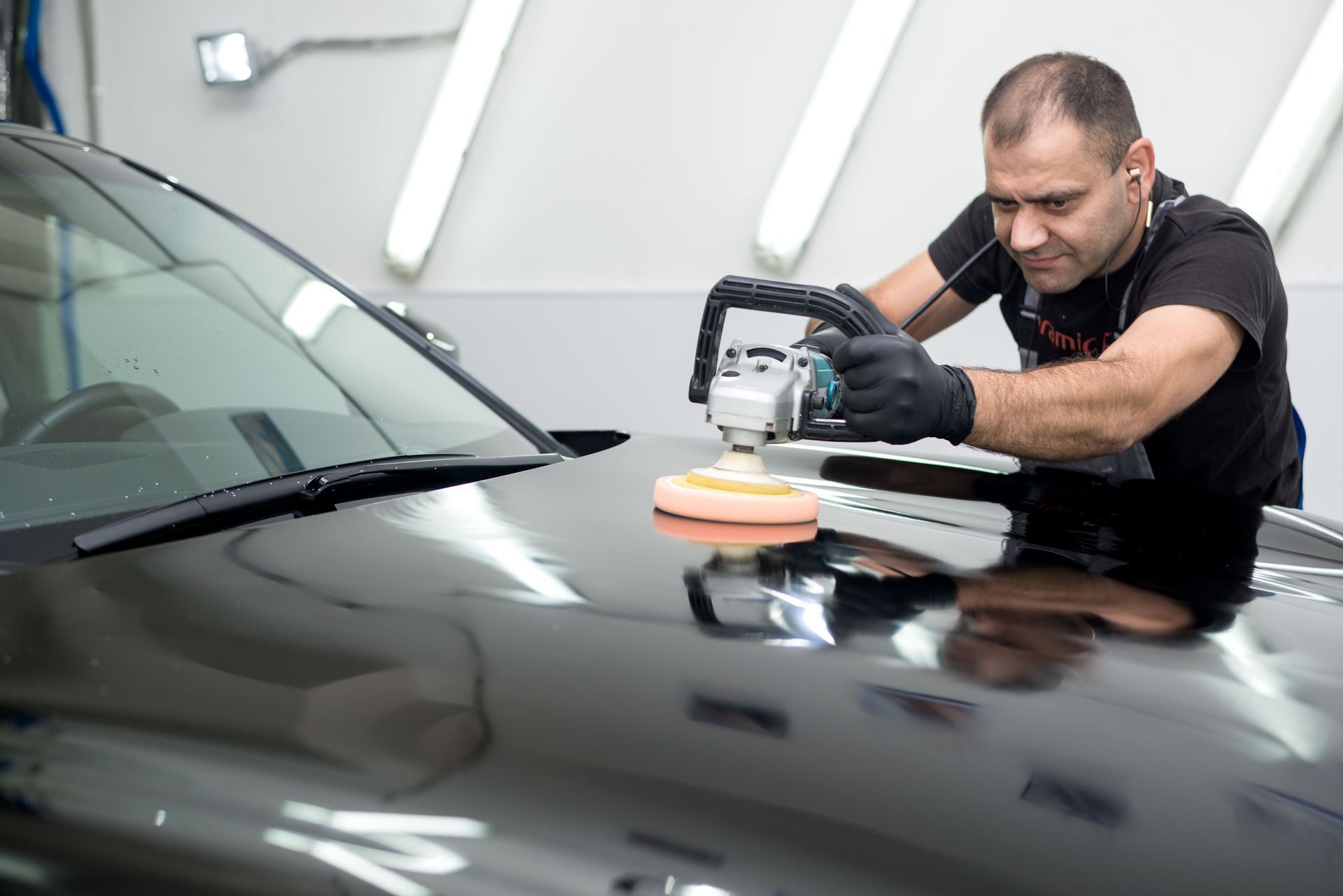
The visual quality of a vehicle's finish is often the most immediate indicator of repair excellence. Achieving a flawless paint finish requires exact color matching, precise clearcoat application, and controlled curing environments to match original factory texture and gloss. Beyond aesthetics, precise bodywork and complete documentation play a paramount role in protecting a vehicle's long-term resale value. Prospective buyers and pre-owned vehicle inspectors scrutinize body panel gaps, paint thickness, and structural seam welds for signs of poor accident repair. A vehicle that has undergone precise car collision repairs with documented quality standards retains significantly higher market value, reassuring future buyers that the car remains structurally sound, mechanically reliable, and safe to operate.
Quality assurance in collision restoration carries profound ethical responsibilities. Unlike routine cosmetic services, structural and safety-system repairs directly impact human lives. Repair facilities have a strict ethical obligation to adhere to original equipment manufacturer repair procedures, refusing to cut corners or use improper repair methods to shave time or costs. Transparency in documenting damage, outlining required repair procedures, and verifying safety sensor recalibrations respects consumer rights and builds enduring trust. Delivering verified, precise repairs ensures that every customer drives away in a vehicle that meets uncompromising safety and quality standards. When you need expert car collision repairs that prioritize precision, safety, and uncompromising craftsmanship, trust the experienced professionals at Alex's Paint & Body Inc.