March 12, 2026
Maintaining and repairing a vehicle is an integral part of preserving both its functionality and its value. Regular maintenance not only ensures that a car remains in good working condition, but it also helps retain its market value over time. Just as neglecting health can lead to more significant problems, ignoring car maintenance can cause costly issues down the line. Beyond preventing depreciation, timely car repairs enhance performance and keep the car aesthetically pleasing, making it more appealing to current and prospective owners. Thus, ensuring that a vehicle receives the necessary attention and care is crucial for long-term satisfaction and financial prudence.
Regular Maintenance and Its Impact on Vehicle Lifespan
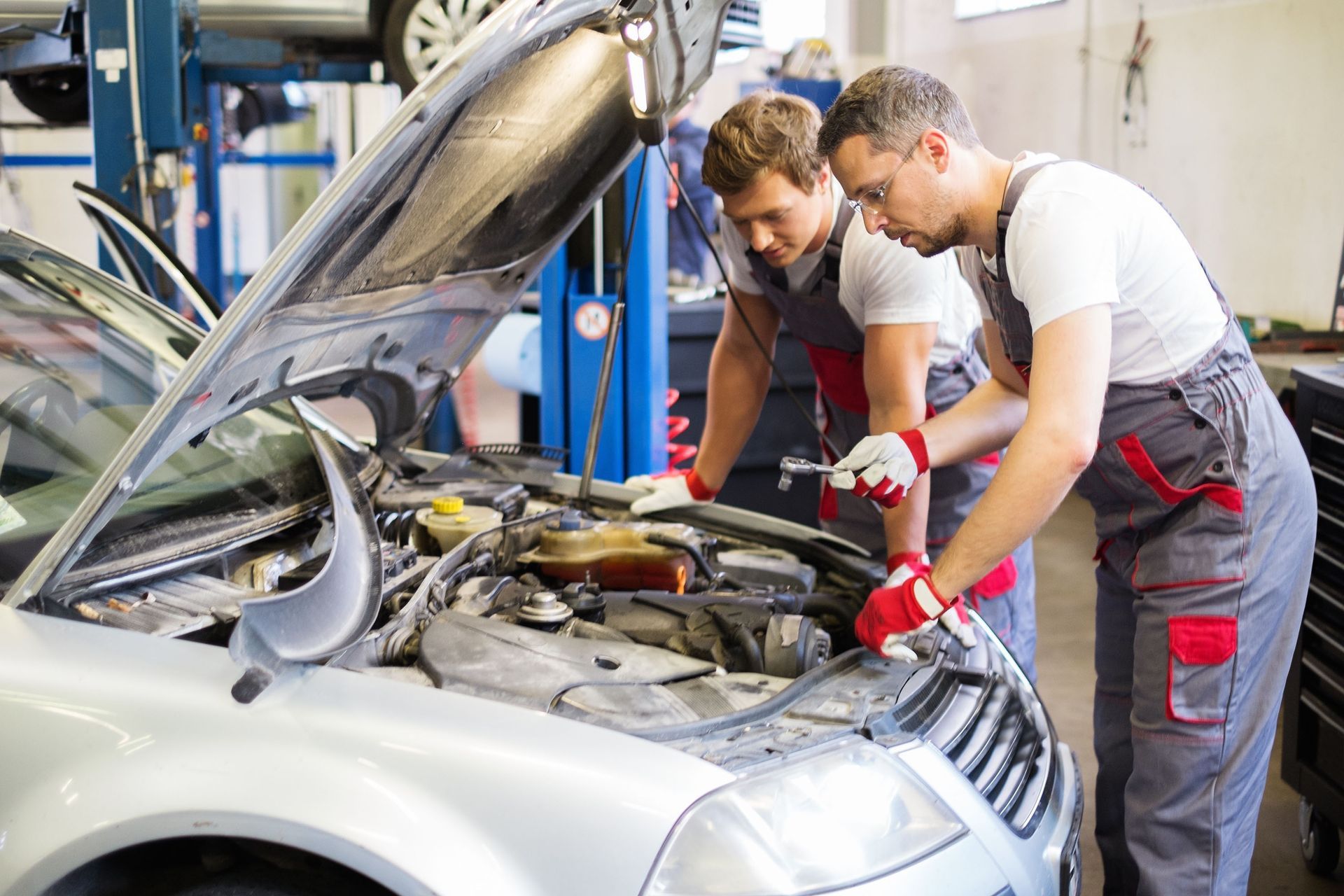
Regular maintenance involves adhering to the manufacturer's recommended service schedule to ensure the vehicle continues to operate safely and efficiently. Neglecting scheduled maintenance tasks, such as oil changes, tire rotations, and fluid checks, can lead to significant mechanical problems. A well-maintained vehicle not only performs better but also has a longer lifespan, reducing the need for early replacements. Such proactive care effectively hinders the progression of wear and tear that naturally occurs over time. Ultimately, by following a maintenance schedule, car owners can both cut costs from major car repairs and increase their vehicle's longevity.
Oil changes are a critical element of vehicle maintenance, essential for preventing engine damage. Without regular oil changes, dirt and sludge can accumulate, leading to inefficient engine operation and increased fuel consumption. Consistent oil changes also ensure that the engine is adequately lubricated, which prolongs its lifespan and performance. By maintaining a regular oil change schedule, car owners can save on fuel costs and prevent costly engine repairs. Thus, oil changes are a minor maintenance task with substantial benefits for engine health and vehicle value.
Proper tire care and suspension system checks significantly affect a vehicle's handling and safety. Routine tire rotations and alignments can prevent uneven wear, which enhances fuel efficiency and extends tire life. Moreover, inspecting and maintaining the suspension system ensures a smoother and safer ride. A 4-wheel alignment is essential to prevent pulling and enhance driving performance. Well-maintained tires and suspension systems contribute to a car's overall condition, optimizing safety and comfort for the driver and preserving the vehicle's value.
The Financial Benefits of Early Repairs
Identifying and addressing minor issues early on is a cost-effective strategy to avoid expensive car repairs later. Small problems, such as a minor oil leak, can evolve into significant engine failures if left unattended. Early repairs not only save on service costs but also minimize the risk of vehicle breakdowns, which can lead to additional expenses and inconveniences. Furthermore, by taking preventive action, car owners can enjoy a vehicle that operates at its best. Strategically maintaining a vehicle can thus contribute positively to its value retention and the owner's peace of mind.
The financial benefits of proactive car repairs can be illustrated by comparing the cost of minor fixes against major overhauls. Addressing a problem when it first arises is often cheaper and more manageable than performing larger car repairs down the road. Proactive maintenance helps avoid unexpected expenses and ensures that the vehicle continues to function without disruptions. Notably, vehicles that receive regular maintenance and repairs often have better resale values. Investing in the vehicle's upkeep is a prudent financial decision that offers returns in the form of reduced repair costs and higher resale prices.
Preserving Aesthetics through Auto Body Repairs
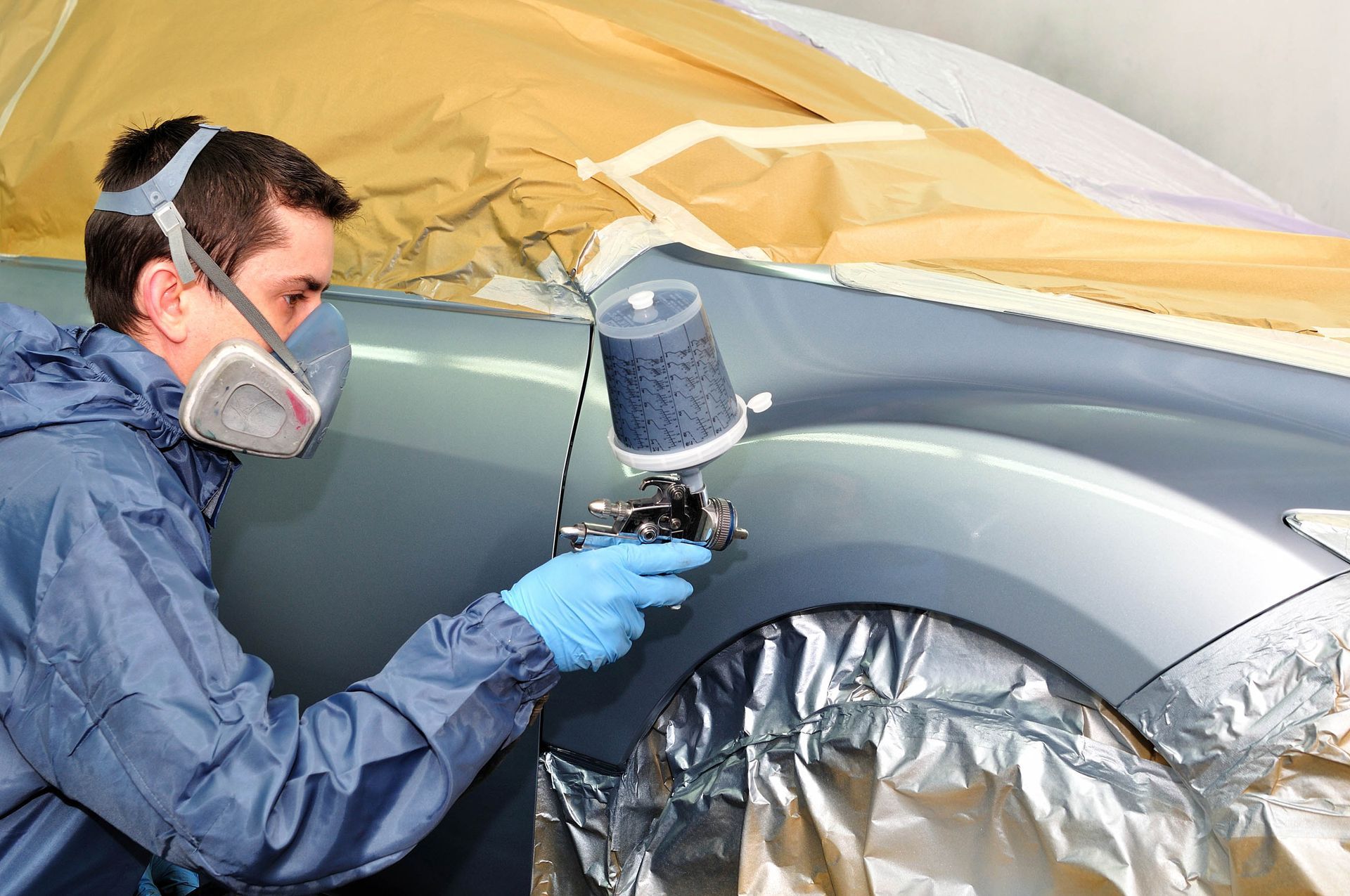
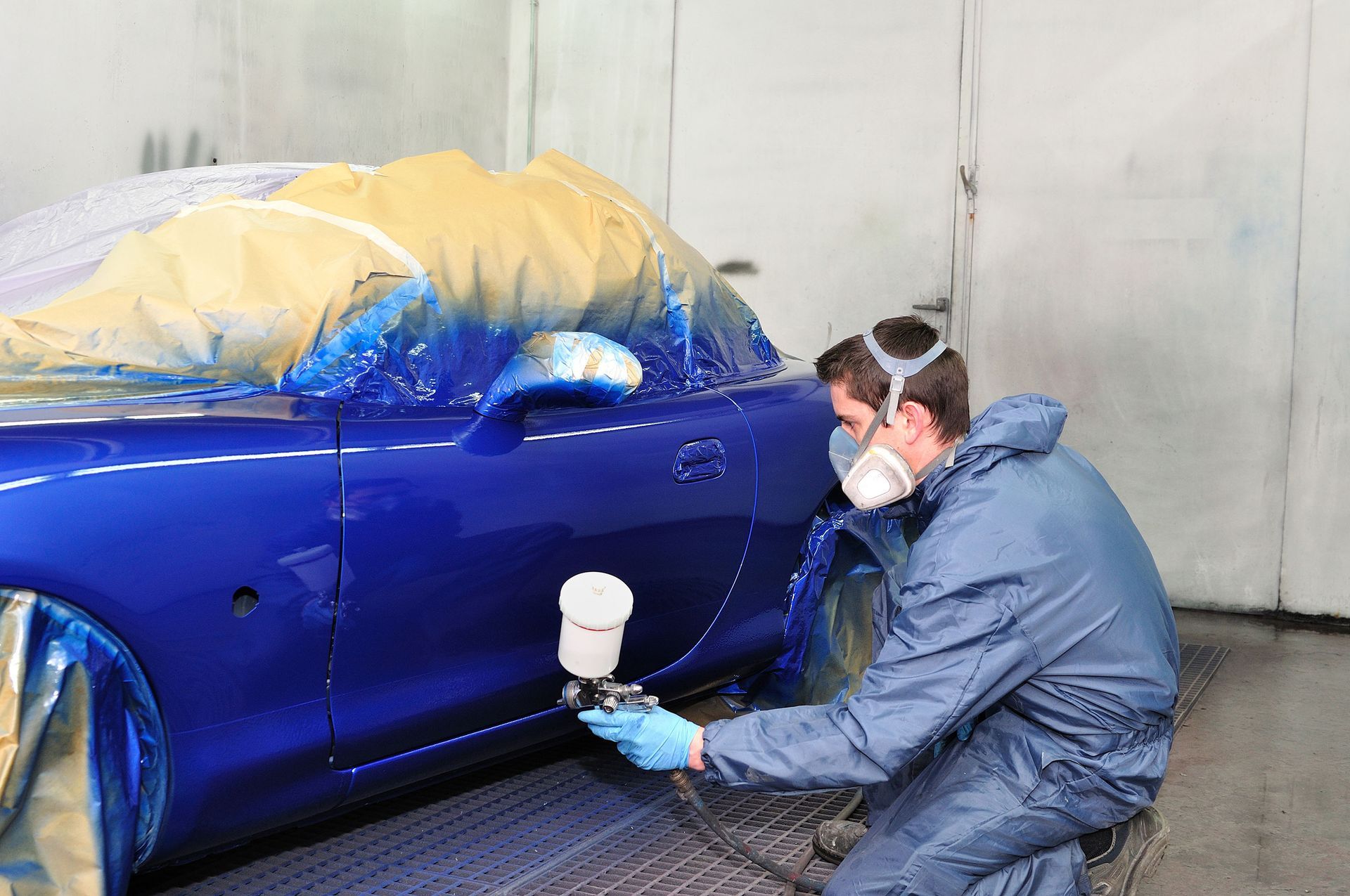
The exterior of a vehicle significantly influences its perceived value and appeal. Car repairs, such as fixing dents and scratches, are crucial for preserving the vehicle's aesthetics. Over time, exposure to elements like sunlight, rain, and road debris can deteriorate the vehicle's paint and bodywork. By promptly addressing these issues, owners can prevent further damage and maintain the car's overall appearance. A well-maintained exterior not only reflects pride in ownership but also plays a crucial role in preserving vehicle value.
Paint touch-ups and rust protection are essential in preventing exterior damage and deterioration over time. Rust can compromise the structural integrity of a vehicle, leading to more extensive and costly car repairs. Regular inspections for rust, along with timely paint touch-ups, can mitigate the risk of rust spread and maintain the vehicle's aesthetic appeal. According to the U.S. Department of Transportation, over 95% of vehicles involved in collisions are repairable rather than totaled, underscoring the importance of effective damage repair. Therefore, timely exterior maintenance is a proactive strategy that safeguards long-term vehicle value.
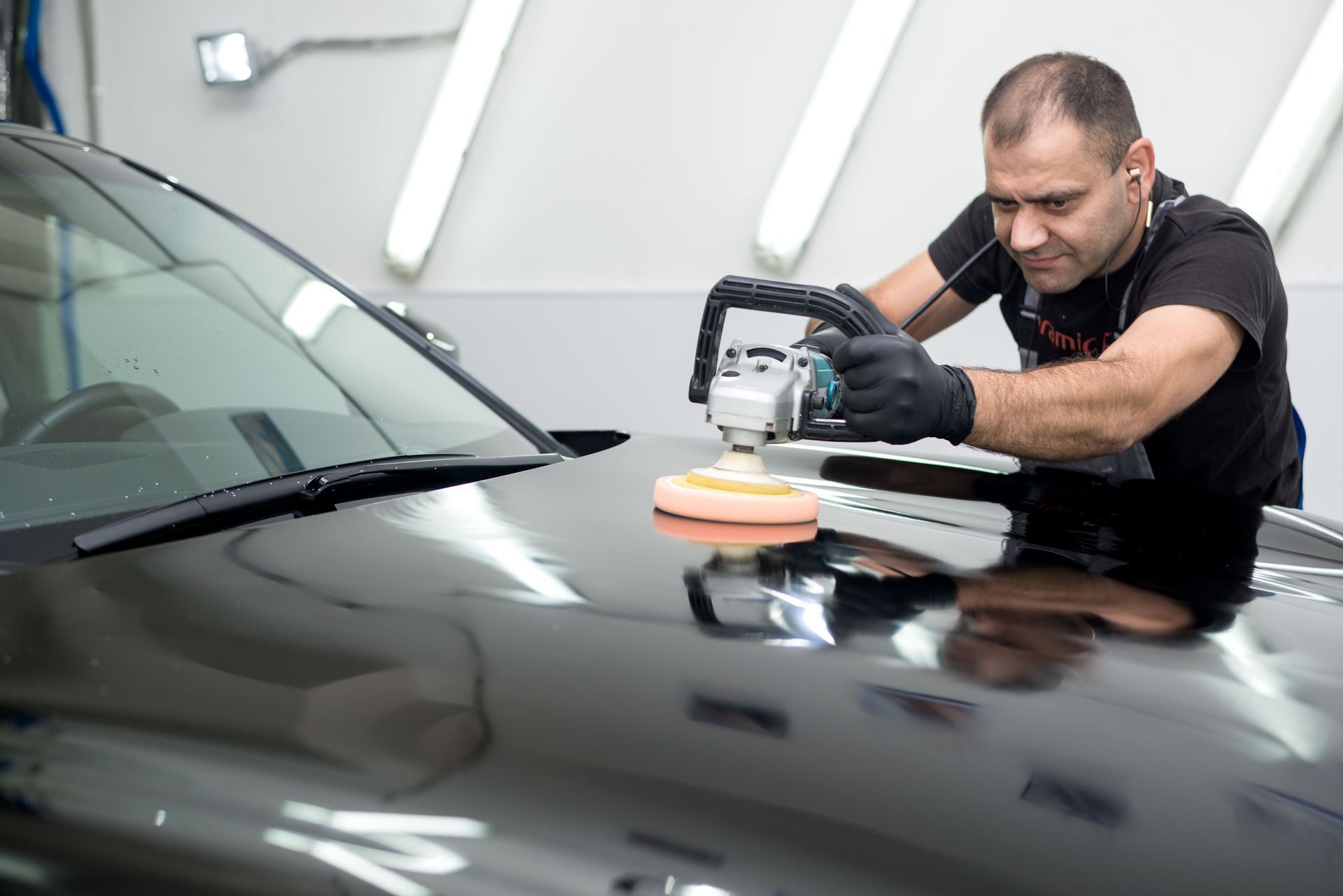
Detailing is an effective way to maintain a vehicle's appearance and protect both interior and exterior surfaces from damage. Frequent detailing involves cleaning, restoring, and protecting the various elements of a vehicle to keep it looking new. By addressing cosmetic concerns and safeguarding materials against wear, detailing can slow down depreciation and maintain the car's marketability. Internal cleaning protects against damage to upholstery and fittings, while exterior detailing includes measures like waxing, which adds a protective layer against environmental hazards. Detailed cars not only exhibit better aesthetics during resale but also reflect well-maintained mechanical integrity.
Technological Updates and Their Value Addition
Incorporating modern technology upgrades can significantly enhance a vehicle's performance and appeal to tech-savvy buyers. Updates such as advanced navigation systems, improved sound systems, and enhanced connectivity add significant value to a vehicle. These changes can make driving more enjoyable and efficient while providing attractive features for potential buyers looking for modern conveniences. Technology upgrades can also improve driver safety by incorporating features like backup cameras and lane departure warnings. As technology continues to advance, integrating such features can improve both current owner satisfaction and future resale value.
Keeping vehicle software up to date is crucial to leverage technological advancements and improve vehicle safety. Updates often include enhancements to operating systems that drive navigation, climate control, and infotainment systems. Improved algorithms for features like autonomous braking systems or adaptive cruise control can augment safety and performance. Routine software updates can help detect faults and optimize vehicle functions, potentially catching minor issues before they escalate. By maintaining updated technology, car owners can enjoy their vehicle's modern features while preserving value in an ever-evolving market.
The Role of Car Repairs in Environmental Responsibility
Car repairs contribute to environmental sustainability by reducing emissions and promoting efficient operation. Regular tune-ups ensure engines run smoothly, thus lowering output of harmful emissions and conserving fuel. Well-maintained engines do not over-exert, which contributes to a healthier ecosystem through decreased carbon footprints. Repair practices that optimize emissions systems can also help vehicles meet emission standards, ultimately benefiting regulatory compliance and resale value. Through consistent car repairs and maintenance, car owners play an essential role in enhancing environmental responsibility while preserving vehicle functionality.
Recycling and reusing parts in car repairs offer significant environmental benefits by reducing waste and resource consumption. Salvaging functional components from older vehicles or during repairs helps minimize the demand for new parts production, which is resource-intensive. By reusing parts, the automotive repair industry contributes less to landfill waste, supports sustainable practices, and decreases the ecological impact. Utilizing repaired or refurbished parts provides an opportunity to complete repairs efficiently and sustainably. Consequently, using recycled components is a practical measure for car owners seeking eco-friendly solutions that also preserve vehicle value.
Regular repairs and maintenance are vital in preserving the value of a vehicle throughout its lifespan. From mechanical upkeep and body repairs to technological upgrades, each element supports a car's overall integrity and market value. Addressing issues promptly can prevent substantial depreciation, protect owner investments, and ensure safer and more enjoyable driving experiences. Balancing cosmetic, mechanical, and technological care can maintain a car's worth, enhancing its appeal to current owners and prospective buyers. Ultimately, proactive repair and maintenance offer compounding benefits, both environmentally and financially, promoting sustained vehicle value. If you're looking for car repairs, contact Alex's Paint & Body Inc today.