March 11, 2026
Understanding when collision repair is necessary is crucial for drivers who have been involved in a crash. Whether dealing with minor damages or substantial wreckage, knowing the steps to take can ensure safety and restore your vehicle to its prior condition. This blog explores the various scenarios that warrant repair and the importance of addressing them promptly.
Assessing the Severity of the Damage
Mechanical vs. Cosmetic Damage
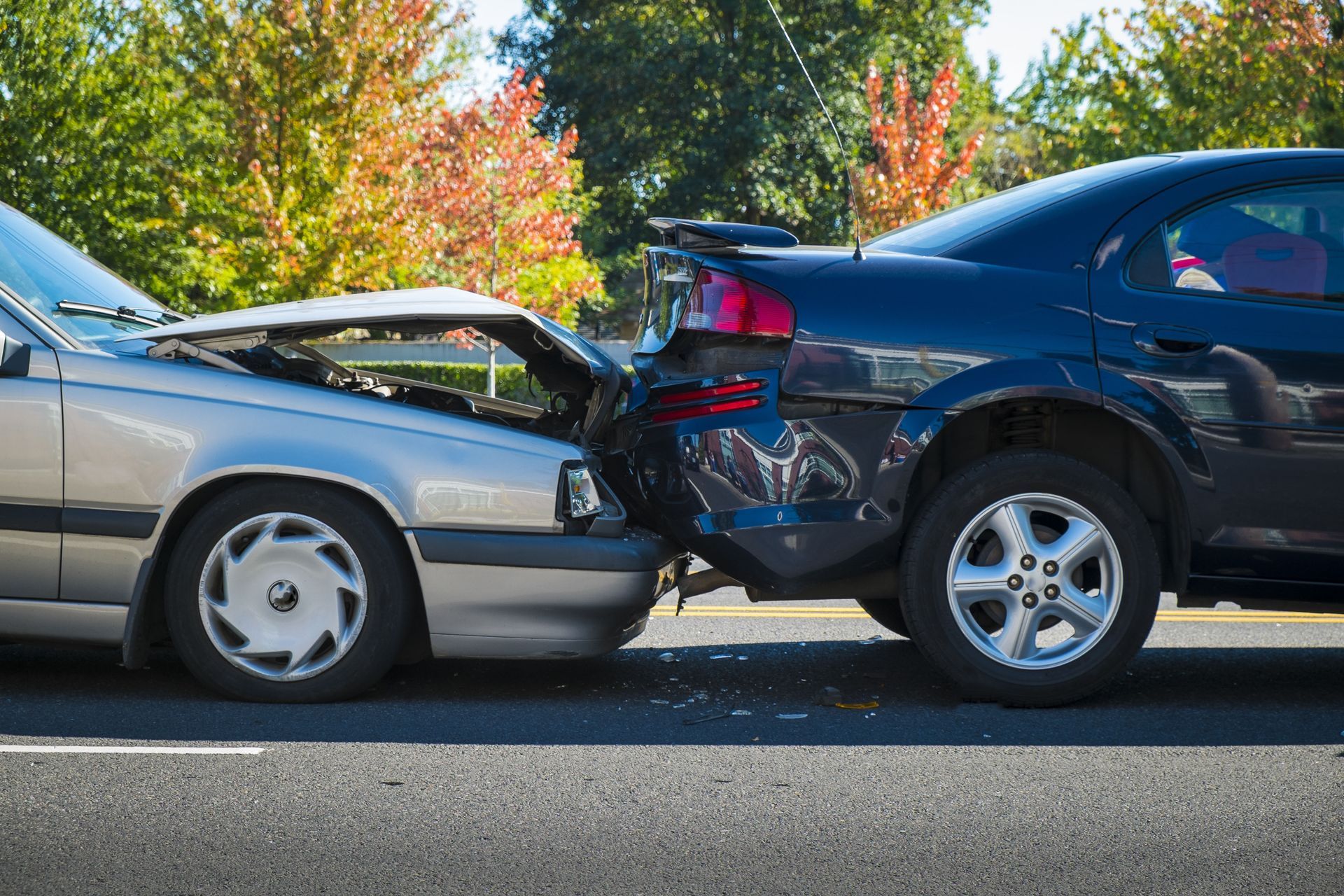
Collision damage can range from mechanical to cosmetic, each requiring a unique approach to repair. Mechanical damage can affect the functionality of your vehicle, making it unsafe to drive until fixed. Cosmetic damage, while potentially less critical, can still affect the vehicle's value and appearance. It's vital to differentiate the two, as mechanical issues often demand immediate attention to ensure safety. Addressing both types of damage through collision repair can lead to a comprehensive restoration process.
Visual Signs of Damage
Visual signs of damage can include dents and scratches in the body panels. These indicators can often point to more serious underlying issues that are not immediately visible. Crumpled bumper zones and cracked glass are also visible warnings that the vehicle has been structurally compromised. Inspecting your vehicle thoroughly after an accident is crucial in determining the full extent of the damage. Early identification of these issues can streamline the repair process and prevent further deterioration.
Underlying Structural Issues
Beyond visible damage, underlying structural issues pose a significant risk to vehicle safety. A minor collision might have disrupted the vehicle's frame, leading to misalignment and future safety concerns. Repairing structural problems is a complex process involving precise tools and expertise. According to the National Institute for Automotive Service Excellence, collision repair involves structural, mechanical, and cosmetic restoration in over 70% of post-accident vehicle repairs. Identifying these issues early on can prevent costly repairs and ensure vehicle integrity.
Impact on Vehicle Safety
Furthermore, vehicle safety is paramount, and any damage that compromises this aspect must be addressed urgently. A collision can affect airbag deployment systems and other safety features, requiring immediate professional assessment. Road safety is compromised when vehicles operate with hidden damage that affects steering, braking, or stability. Ensuring these systems function as intended is crucial for the safety of the driver and passengers. Regular maintenance checks can offer peace of mind that all aspects of the vehicle are safe to operate.
Professional Damage Assessment
After a collision, a professional damage assessment can bring to light issues that might be overlooked by an untrained eye. Certified technicians are equipped with the knowledge and tools necessary to identify and repair damage accurately. They consider the vehicle's make, model, and construction to provide a tailored assessment. Bringing your vehicle to a professional can prevent the risk of undetected issues becoming more serious problems. A comprehensive inspection is vital for the complete restoration of the vehicle.
The Role of Insurance in Collision Repair
Your Insurance Policy
Understanding your insurance policy is key to navigating the aftermath of a collision. Policies detail coverage limits, deductibles, and processes for claims, which drivers should familiarize themselves with. Knowing what is covered can influence decisions on repair shops and ease financial burdens. Reviewing the terms of your policy before an incident can prevent unwelcome surprises when filing a claim. Regularly updating your policy to reflect changes in vehicle use or valuation is also recommended.
The Claims Process
The claims process can be daunting, but it is vital for accessing insurance coverage for repairs. Promptly reporting the accident to your insurance provider is essential in initiating the process. Documentation, including photographs and repair estimates, is crucial for supporting your claim. Communicating transparently with your insurer ensures a smoother, timely resolution. A well-managed claims process can significantly impact the cost and speed of repairs.
Approved Repair Shop
Insurance companies often recommend or require the use of approved repair shops for claims. Utilizing these shops can guarantee quality assurance and compliance with insurer standards. These facilities usually have established relationships with insurers, which can facilitate faster processing of claims. However, vehicle owners need to research and ensure they feel comfortable with the shop's reputation and capabilities. Approved repair shops often provide warranties on their work, adding an extra layer of protection.
Coverage Limitations and Out-of-Pocket Costs
Insurance policies may have limitations that affect the scope of coverage for collision repair. Policyholders need to understand what costs they might be responsible for out-of-pocket. High deductibles or non-covered damages can lead to significant expenses even with insurance. Exploring additional coverage options, such as comprehensive insurance, can minimize financial exposure from accidents. Ultimately, choosing an optimized insurance policy translates to cost-effective repairs.
How Claims Affect Premiums
Filing a collision repair claim can have future implications on insurance premiums. Frequent claims or severe accidents can result in increased rates. However, some policies offer accident forgiveness programs that maintain premiums after the first claim. Understanding these factors can influence decisions on when to file a claim or pay for repairs independently. Staying informed about the impacts on your premiums is essential for long-term financial planning.
Common Collision Repairs
Body Panel Repairs and Replacement
Body panel repairs are one of the most common types of collision repairs. Damage to the vehicle's body can range from minor dents to complete panel replacements. Skilled technicians use specialized tools to restore panels to their previous state. Sometimes, replacement is the more practical solution, especially if the panel has a severe impact on vehicle safety. OEM or certified replacement panels guarantee compatibility and durability over time.
Alignment and Suspension Repair
Collisions can cause alignment and suspension issues that affect the vehicle's drivability. Misalignment not only impacts safety but also leads to uneven tire wear and reduced fuel efficiency. Correcting alignment involves adjusting the vehicle's suspension and steering systems to manufacturer specifications. With advancements in technology, precise alignment techniques ensure longevity in repairs. Suspension repairs are equally critical for maintaining smooth operation and passenger comfort.
Paintwork and Scratch Removal
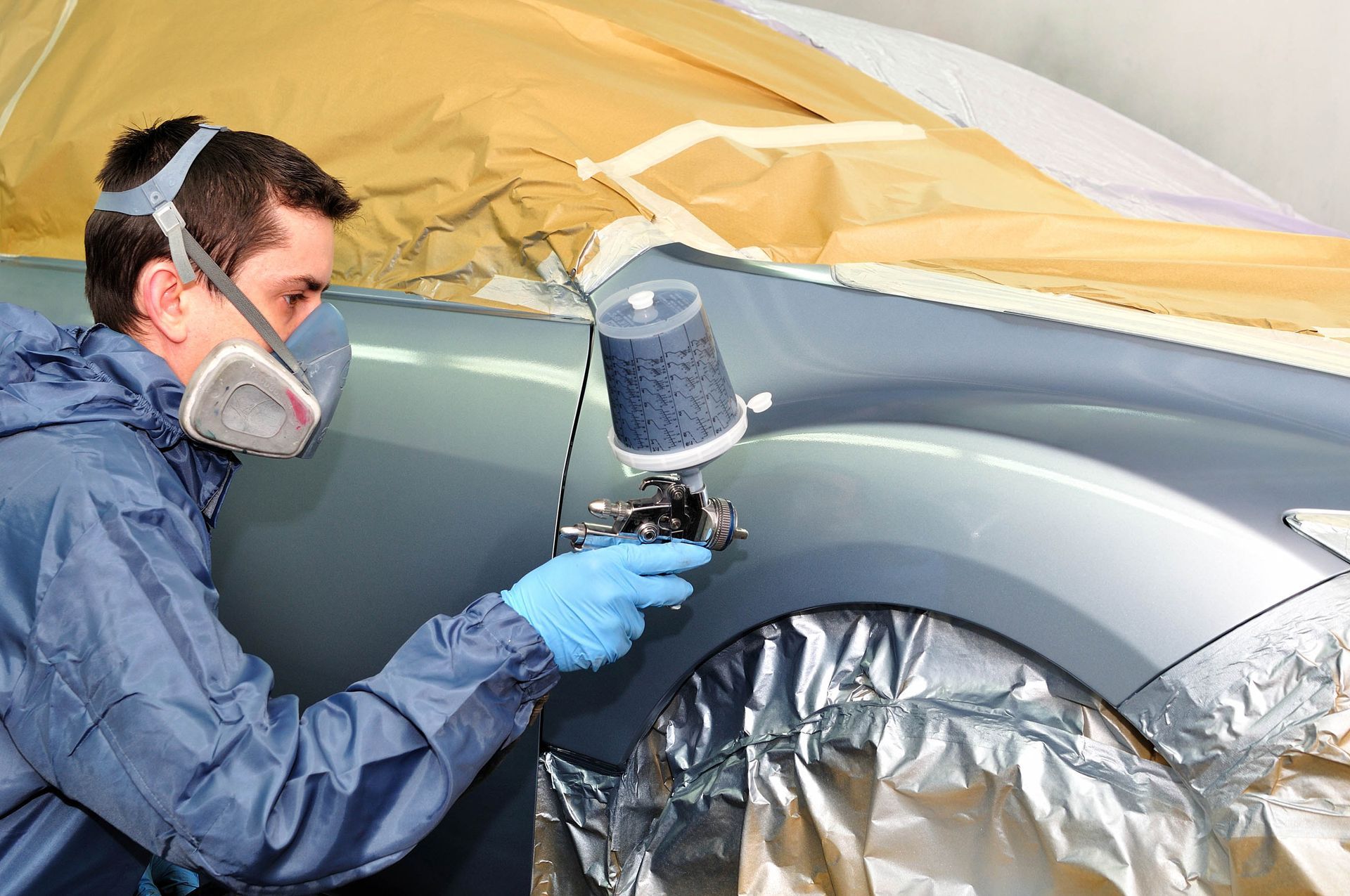
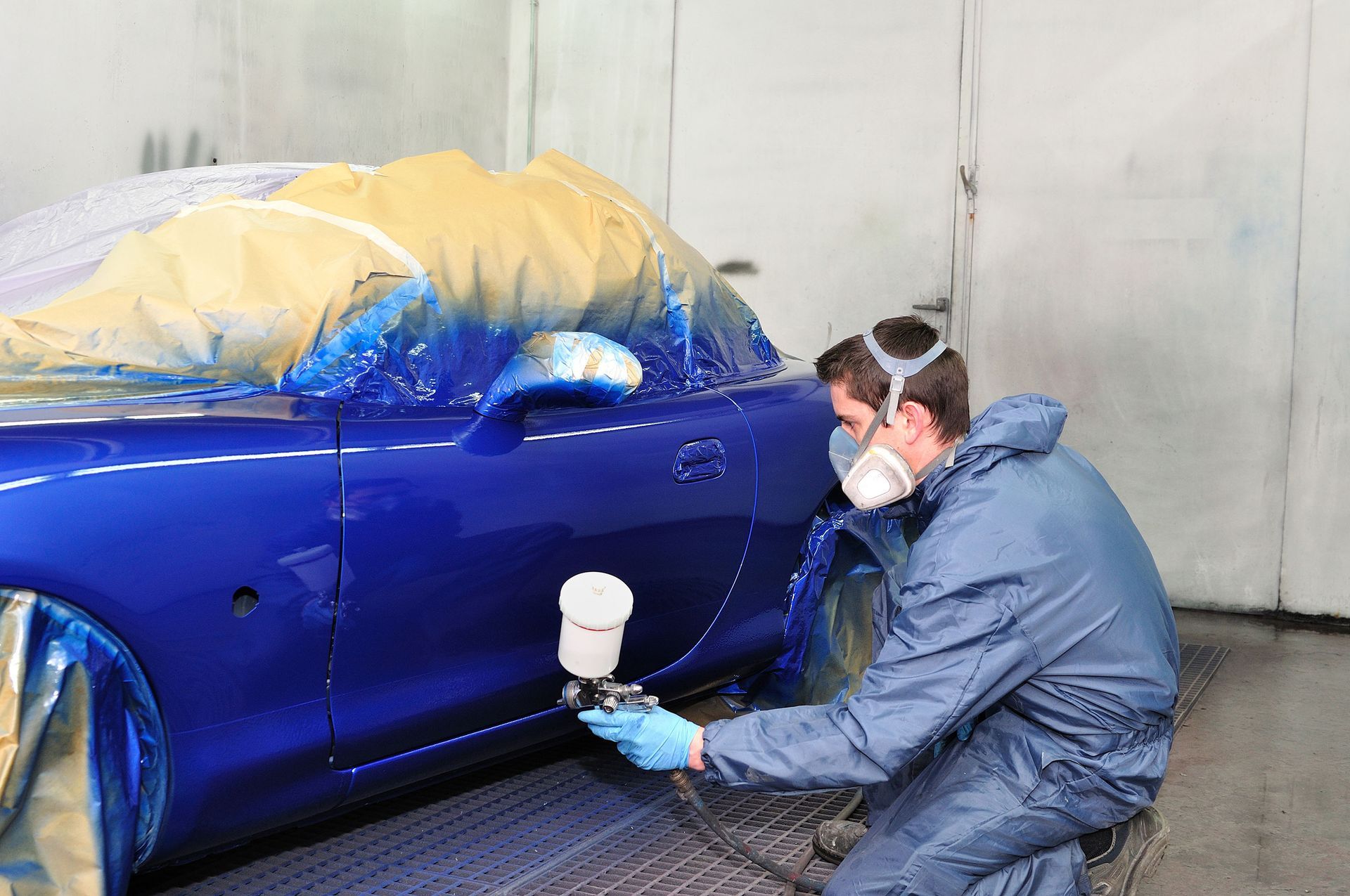
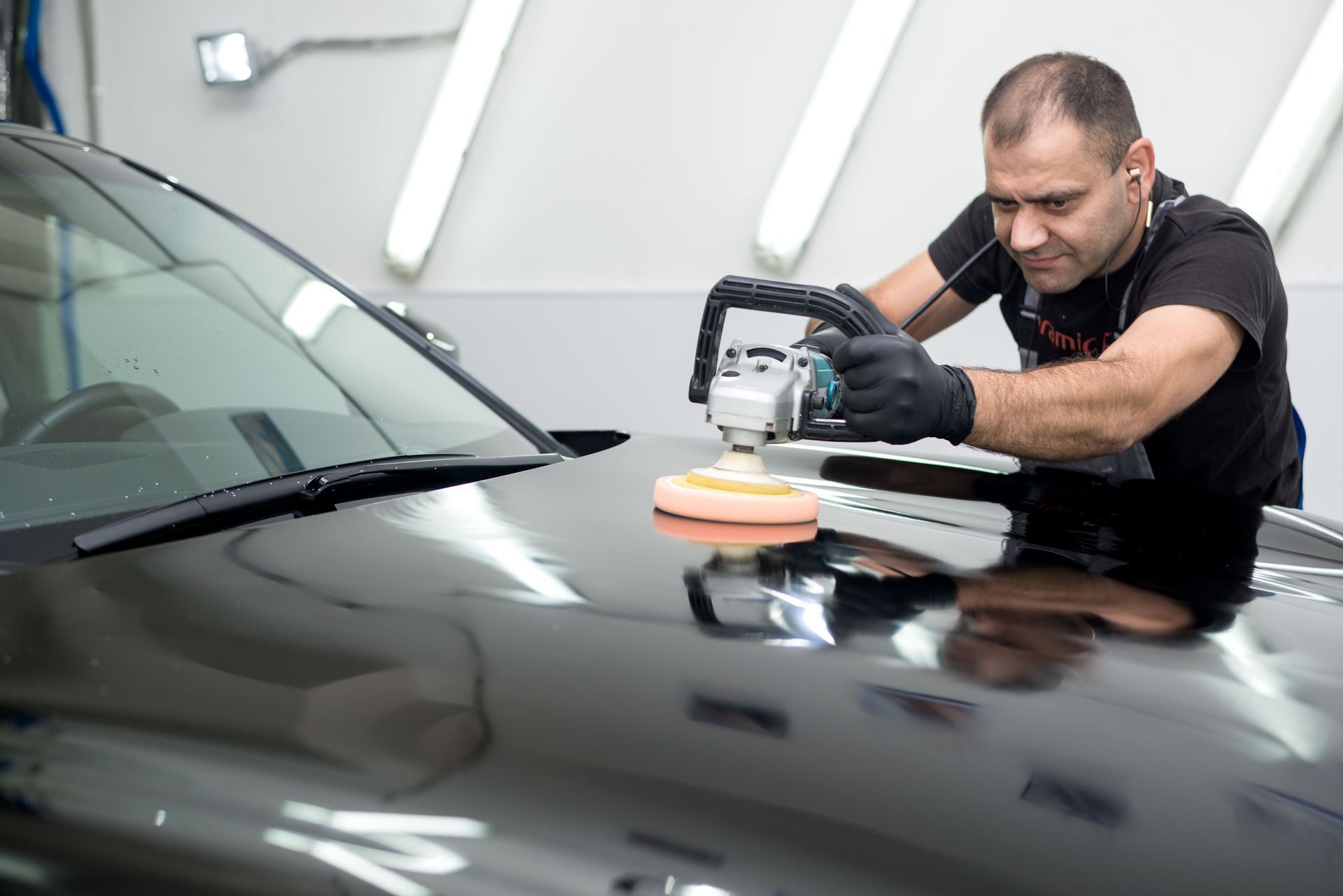
Paintwork and scratch removal are cosmetic repairs that enhance the vehicle's aesthetic appeal. Matching the original paint requires color-matching technology and skilled craftsmanship. Removing scratches involves multiple processes, from buffing to touch-up paint application. Cosmetic repairs are not purely about appearance; they also protect the vehicle from rust and corrosion. By addressing paint damage, owners preserve their vehicle's value and prevent long-term damage.
Advanced Driver-Assistance Systems Calibration
Advanced Driver-Assistance Systems (ADAS) require precise calibration following a collision. These systems, including lane departure and collision warning, are vital for modern vehicle operations. Misaligned sensors or cameras can lead to malfunctioning safety features. Proper calibration ensures that ADAS functions correctly and continues to aid in safe driving. As vehicles become more technologically advanced, expertise in this area is increasingly important in collision repair.
Glass Repair and Replacement
Glass repair and replacement are necessary for maintaining visibility and structural integrity. Chipped or cracked glass can expand, compromising safety and visibility. Repair techniques vary depending on the severity and location of damage. In some cases, full glass replacement is necessary for safety and longevity. Certified glass repair facilities ensure that new installations meet industry standards for safety and performance.
Collision repair after a crash is a critical step in ensuring your vehicle's safety, functionality, and value. By understanding the severity of damage, navigating insurance processes, and choosing reputable repair shops, drivers can effectively manage the aftermath of an accident. For collision repairs, contact us at Alex's Paint & Body Inc today.