November 9, 2026
When a vehicle sustains exterior damage, owners are faced with a choice between different restoration methods to bring their automobile back to its pristine condition. Whether it is a minor parking lot ding or a substantial collision crease, understanding the available solutions is essential for any vehicle owner. The automotive restoration industry has evolved significantly over the years, offering advanced techniques to address exterior blemishes effectively. Two of the most common methods for addressing damage are paintless dent removal and traditional body panel work. Each approach offers distinct advantages, complex processes, and ideal use cases depending on the severity and exact nature of the damage. Making an informed decision requires a comprehensive understanding of how these two methods differ in application, cost, time, and overall results. Addressing exterior damage promptly not only restores the visual appeal of your vehicle but also helps maintain its structural integrity and long-term resale value. As you navigate the world of automotive restoration, having a solid grasp of these techniques will ensure you choose the most appropriate path forward for your specific situation. Choosing the right path for your car repair needs can save you significant time and frustration. Let us delve deeply into the nuances of these techniques.
Understanding Paintless Dent Repair Processes
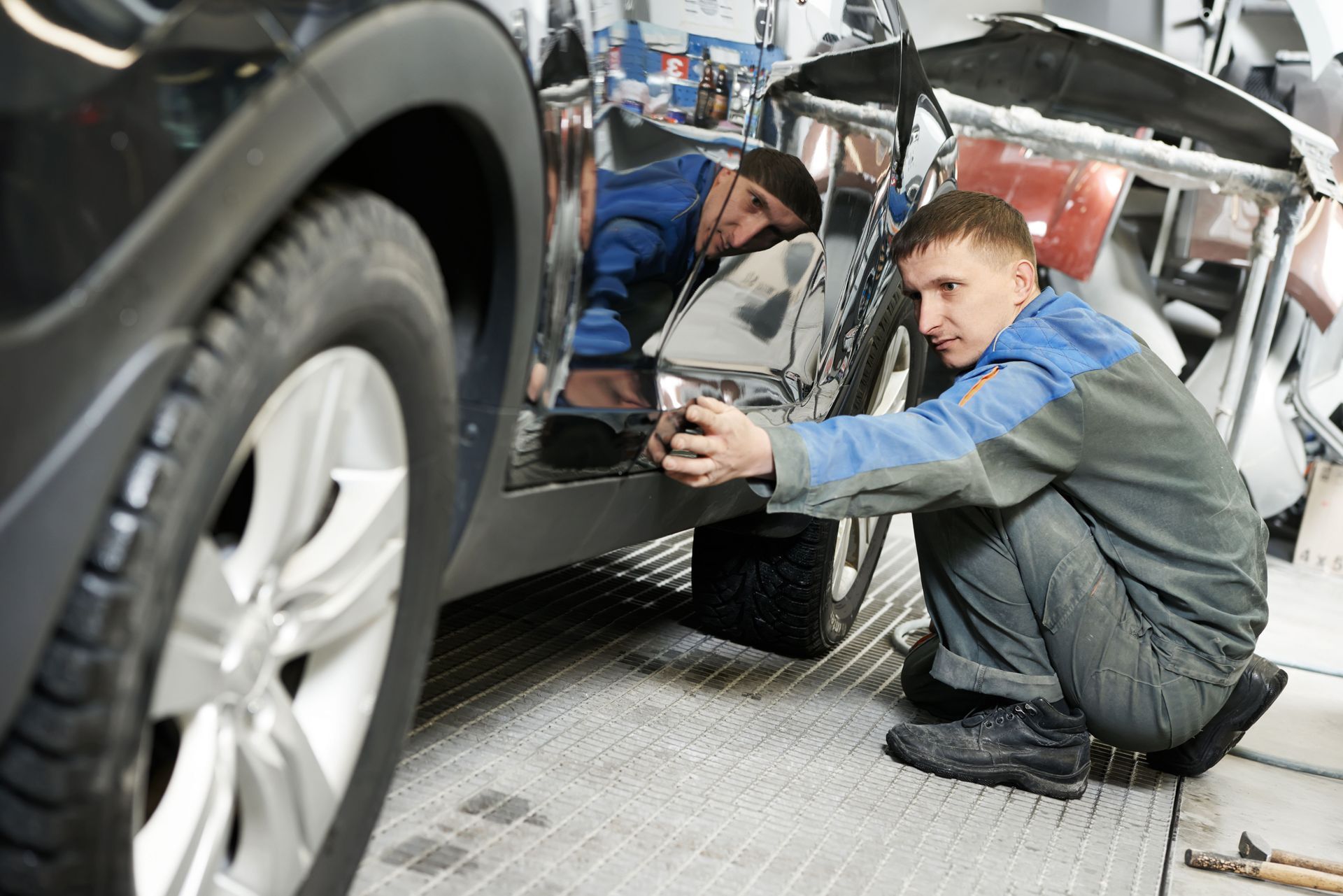
Paintless dent repair is a unique technique used to remove minor dents and dings from the body of a vehicle without altering the original factory finish. This method involves the use of specific tools that allow technicians to access the back of the damaged panel. By carefully and methodically applying pressure to the damaged area, the technician massages the metal back into its original shape. This process requires a significant amount of skill, immense patience, and exact precision to ensure the metal is moved without cracking the paint or stretching the material too far. The true beauty of this approach lies in its ability to retain the original factory paint, which is often considered superior to any aftermarket application. Because there is no need for sanding, body filler, or painting, the process is generally much quicker than alternative methods. This technique is particularly effective for hail damage, minor creases, and door dings where the paint has not been compromised. It is a fantastic option for preserving the original state of the vehicle while addressing unsightly blemishes. When scheduling a car repair, this method is frequently favored for its sheer efficiency and seamless visual results. Technicians undergo extensive training to master the art of manipulating the metal perfectly.
Exploring Traditional Body Panel Work Methods
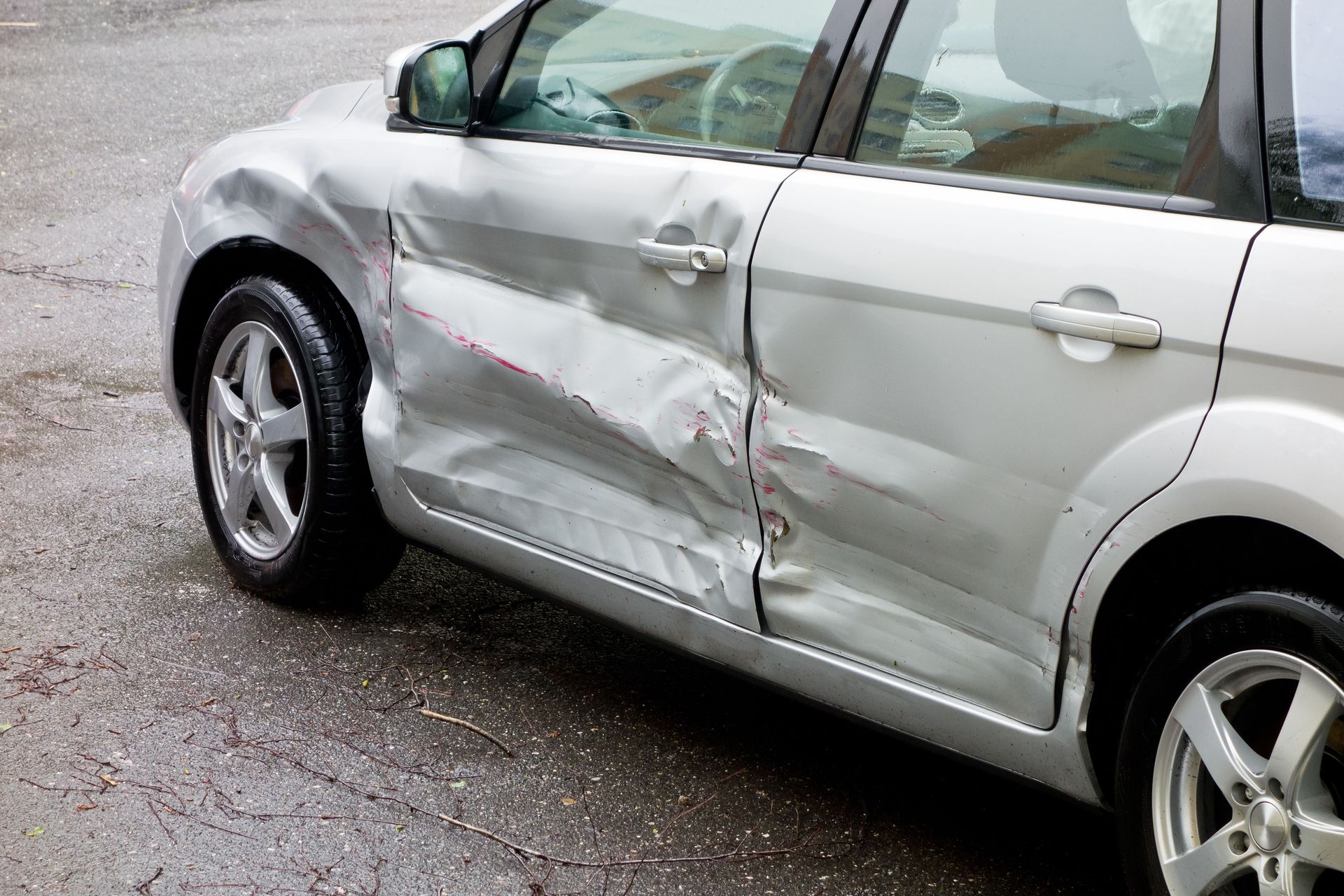
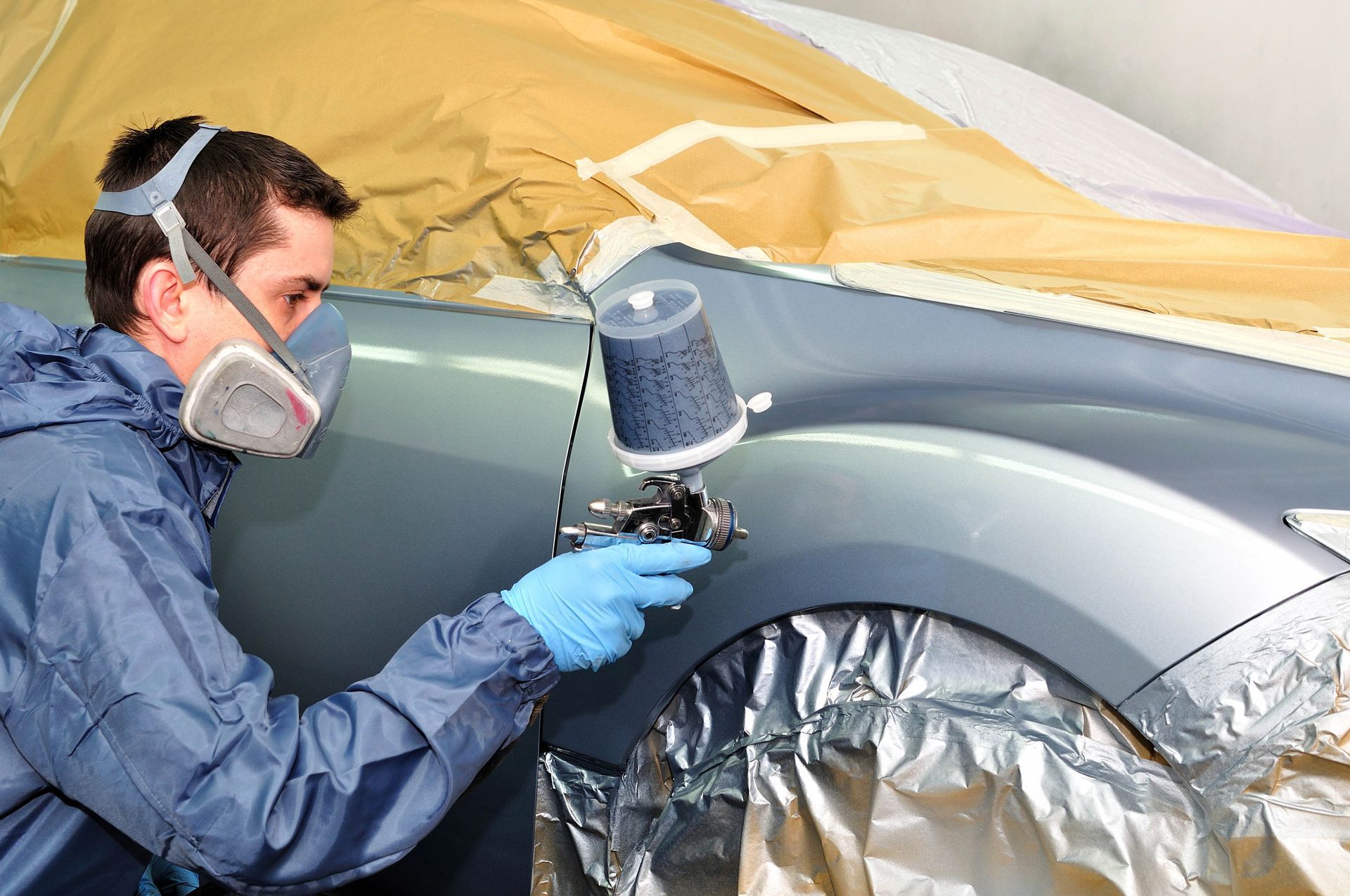
When vehicle damage exceeds the capabilities of minimally invasive techniques, traditional body panel work becomes absolutely necessary. This approach is comprehensive and is designed to address severe damage, including deep creases, large dents, and areas where the paint has been scratched, chipped, or completely removed. The process begins with the technician grinding down the damaged area directly to bare metal. Once the metal is exposed, pulling tools might be used to bring the severely crushed metal closer to its original shape. Following this, body filler is applied to smooth out the surface and recreate the original contours of the vehicle. The filler is then meticulously sanded down to ensure a perfectly seamless transition between the repaired area and the rest of the panel. After the surface is smooth, primer is applied to prepare the area for painting. The painting process involves applying a base coat to match the vehicle's color, followed by a clear coat to protect the paint and provide a glossy finish. This method is an essential aspect of comprehensive car repair that ensures a vehicle can be fully restored even after significant trauma. The process requires a highly controlled environment, such as a dedicated paint booth, to ensure dust and debris do not interfere.
Navigating Paint Matching and Application Challenges
A crucial element of the traditional restoration process involves paint matching. Getting the color exactly right is a challenging endeavor that requires a keen eye and advanced technology. According to Paint & Coatings Industry, in 2025, white remained the most popular automotive color globally at 29%, followed by black at 23% and gray at 22%. Matching these common colors, as well as more unique shades, requires a computerized paint mixing system. The technician must consider factors such as paint fading due to sun exposure and the specific variant of the factory color code. Even the slightest miscalculation in the mixing process can result in a panel that looks distinctly different from the rest of the vehicle under certain lighting conditions. This complexity highlights why this type of extensive car repair requires professional tools and properly trained technicians. Achieving a flawless finish involves not only the correct color but also the correct application technique to match the factory texture, often referred to as orange peel. The clear coat must then be applied evenly to provide the necessary protection against the elements. Successfully navigating these paint application challenges ensures that the final result is visually appealing and highly durable.
Comparing the Costs and Time Investments
One of the most significant differences between these two restoration methods is the investment of time and financial resources required. The minimally invasive method is generally the more cost-effective and time-efficient option. Because it does not require materials like body filler, primer, base coat, or clear coat, the material costs are virtually eliminated. Furthermore, the labor hours are significantly reduced since the process bypasses the time-consuming steps of sanding, drying, and painting. Many minor dings can be addressed in a matter of hours, minimizing your downtime. On the other hand, traditional body panel work involves a much more extensive process that inherently takes longer and costs more. The need for various materials and the extensive labor required contribute to a higher overall expense. Additionally, the drying times for primer, paint, and clear coat mean that the vehicle will likely need to stay at the facility for several days. Understanding these differences is crucial when budgeting for your next car repair. Balancing your budget and timeline expectations with the reality of your vehicle's damage is a vital part of the restoration process. Sometimes, investing the extra time and money is completely unavoidable to achieve safety.
Determining Which Option Suits Your Vehicle Damage
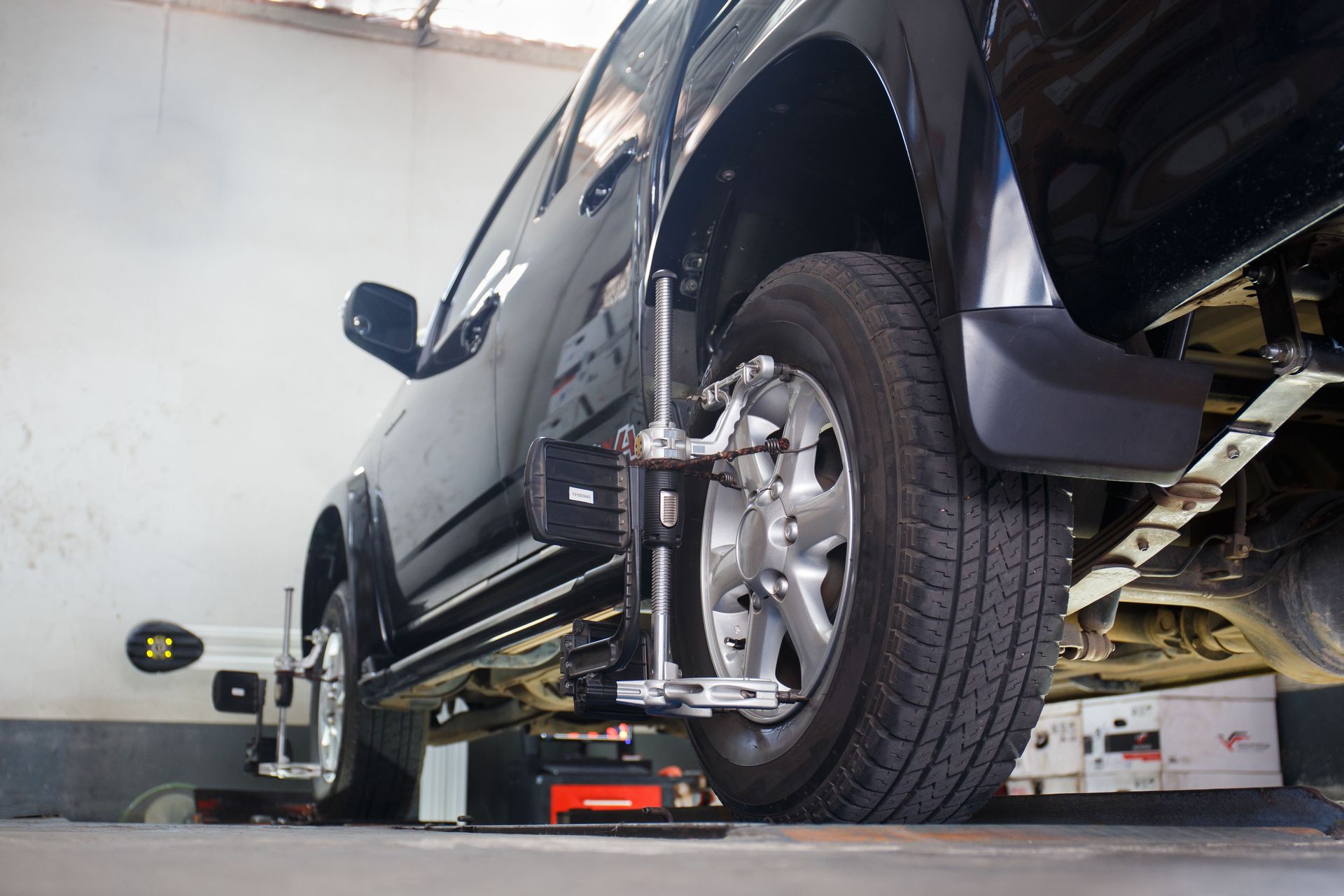
Deciding between these methods ultimately comes down to the extent of the physical damage. If the paint is completely intact and the metal is not sharply creased, the paintless option is highly preferable. However, if the impact has caused paint loss, severe stretching of the metal, or underlying structural damage, the traditional method is the only viable path. Consulting with a knowledgeable technician for your upcoming car repair needs will provide immediate clarity. They can accurately assess the depth, location, and severity of the dent to recommend the optimal solution for restoring your vehicle back to its former glory.
Maintaining the exterior of your vehicle is crucial for preserving its value, structural integrity, and aesthetic appeal. Understanding the differences between paintless dent repair and traditional body panel methods empowers you to make informed decisions when damage inevitably occurs. Whether you need a quick fix for a minor ding or a comprehensive restoration for extensive collision damage, knowing what to expect in terms of process, time, and cost is incredibly beneficial. Remember that ignoring minor issues can sometimes lead to more significant problems down the line, so prompt attention is always advisable. Every vehicle owner wants their investment to look its absolute finest while remaining structurally sound. By choosing the appropriate method, you ensure that your vehicle receives the exact level of care it requires. When you find yourself in need of professional assistance for your next car repair, do not hesitate to reach out to a trusted local facility. Call Alex's Paint & Body Inc today to learn more.