February 12, 2026
The automotive repair industry has undergone a significant transformation with the advent of technology. From diagnostic tools to advanced repair techniques, technology plays a crucial role in enhancing efficiency, accuracy, and customer satisfaction. This article explores how technology has reshaped modern car repairs, identifying key areas of impact and future trends.
The Evolution of Diagnostic Tools
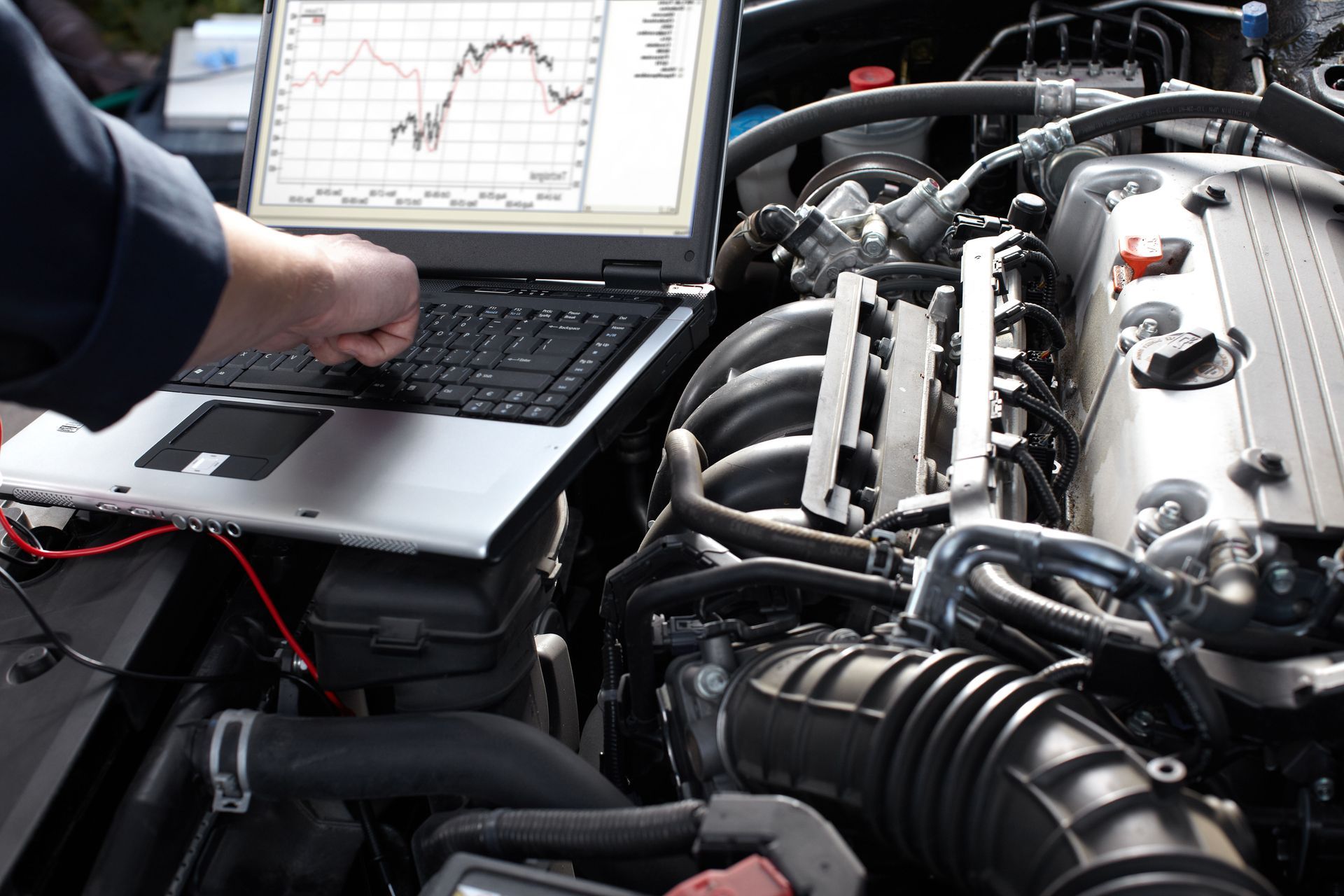
In the past, car diagnostics relied heavily on manual inspections and the mechanic's expertise. This often led to extended repair times and, in some cases, incorrect diagnoses that could have severe consequences. The development of electronic diagnostic tools marked a significant improvement in the ability to quickly and accurately identify issues. With the introduction of On-Board Diagnostics (OBD) systems, mechanics can now interface directly with a vehicle's internal systems, streamlining the diagnostic process. These advancements have substantially decreased repair times and improved accuracy, resulting in more reliable outcomes for car owners.
The integration of advanced diagnostic software has further revolutionized the industry. Mechanics and technicians now use computerized software that can perform real-time diagnostics, helping identify problems even before they become apparent to the driver. These tools allow for a non-invasive look into various car systems, predicting potential issues and allowing preventative maintenance measures. This capability not only saves time but also reduces costs related to vehicle breakdowns. As the technology progresses, it continuously refines the accuracy and efficiency of automotive diagnostics.
Real-time diagnostics offer immense benefits, including timely updates on a vehicle's condition. This real-time capability ensures that minor issues are addressed before escalating into more significant problems, reducing the likelihood of severe faults. According to the National Association of Insurance Commissioners, vehicle damage claims related to collisions are filed in every U.S. state at rates exceeding one claim per 10 insured vehicles annually, underlining the importance of timely diagnostics. By minimizing such incidents through efficient diagnostics, car owners can experience greater peace of mind. Ultimately, technological advances in diagnostic tools have reshaped the automotive repair landscape, providing more efficient and precise solutions.
Integration of IoT in Vehicle Maintenance
Internet of Things (IoT) technology is playing an increasingly pivotal role in automotive maintenance by connecting vehicles to the internet and allowing seamless communication between systems. By utilizing IoT, vehicles can collect and transmit data, providing up-to-date information on vehicle performance and potential issues. This kind of connectivity enables predictive maintenance, where car health is monitored continuously, ensuring timely interventions before issues arise. These benefits significantly enhance vehicle reliability and lifespan, reducing the likelihood of unexpected car repairs. As IoT technologies evolve, they open new avenues for smarter, more proactive car maintenance solutions.
Predictive maintenance facilitated by IoT offers several advantages. By employing sensors that monitor various vehicle parameters, such as engine temperature, tire pressure, and battery health, wear and tear can be anticipated and addressed preemptively. The predictive nature of this technology prevents breakdowns that might otherwise lead to costly repairs or even accidents. This proactive approach not only helps optimize vehicle performance but also ensures driver safety by reducing breakdown risks. Through predictive maintenance, auto repair facilities are better equipped to manage and schedule essential upkeep, minimizing downtime.
However, IoT in automotive maintenance is not without its challenges. Security concerns are paramount as increased connectivity can expose vehicles to cyber threats. Ensuring the integrity of vehicle data and systems becomes crucial, necessitating robust security measures. Furthermore, the vast amount of data collected by IoT-enabled vehicles must be managed efficiently, which can be a complex task. Despite these challenges, the benefits of IoT in vehicle maintenance are undeniable, offering smarter, more sustainable solutions that also contribute to reducing insurance claims related to vehicle damage.
Automated Repair Technologies
Automation in car repairs has brought about monumental changes, especially through the use of robotics. Robotic arms capable of performing tasks with pinpoint precision are increasingly used in car manufacturing and repair. This technology allows for consistency and accuracy that human hands might not match consistently. Robotics also optimizes the repair process by reducing the time needed to carry out complex operations. This enhanced efficiency aligns with reducing repair times, ultimately benefiting the customer with lower labor costs and shorter wait times.
Artificial Intelligence (AI) and machine learning also play substantial roles in advancing automated repair technologies. AI helps in diagnostics and repair through sophisticated algorithms that predict issues and guide technicians in addressing them. Machine learning models analyze vast datasets to improve repair strategies over time, making AI an invaluable ally in the workshop. These technologies also assist in personalizing the repair process to individual vehicle needs, offering tailored solutions based on the vehicle's history and current condition. These technologies enhance not only the repair process but also the overall quality of service.
3D printing has emerged as another game-changing technology in car repairs. It offers the ability to print specific parts on demand, greatly reducing the time and cost involved in sourcing components. This is especially beneficial for rare or obsolete parts where traditional manufacturing might be time-consuming and costly. 3D printing facilitates rapid prototyping and testing, enabling more flexible and innovative repair solutions. By embracing these automated technologies, the automotive repair industry is witnessing a remarkable transformation towards more streamlined and efficient practices.
Software Solutions for Workshop Management
As technology plays an increasing role in car repairs, software solutions for workshop management are becoming essential. Implementing Workshop Enterprise Resource Planning (ERP) systems allows for a holistic approach to managing all aspects of a repair facility. These systems facilitate seamless integration of various functions, including finance, customer service, inventory, and scheduling. By centralizing information and processes, Workshop ERP systems improve operational efficiency and reduce administrative burdens. This integration ultimately results in better customer service and enhanced business profitability.
Scheduling and inventory management are critical components enhanced by software solutions. Automated scheduling tools optimize workflow by assigning tasks efficiently based on availability and specialization. This ensures that customer appointments are managed effectively and resources are allocated wisely. Inventory management benefits from real-time tracking and analytics, reducing the likelihood of shortages or overstocking. This optimization not only streamlines operations but also contributes to reducing overhead costs by maintaining optimal stock levels and efficient resource allocation.
Customer Relationship Management (CRM) tools integrated into workshop management software facilitate better communication and service delivery. These tools provide insights into customer needs and preferences, enabling more personalized interactions and services. Record-keeping becomes seamless with digital solutions, ensuring accurate tracking of repairs and services rendered. CRM tools help build lasting customer relationships by enhancing trust and satisfaction through reliable and consistent service experiences. In an increasingly competitive market, leveraging software solutions allows automotive repair facilities to stand out through operational excellence and improved customer engagement.
Technology continues to revolutionize the way car repairs are conducted, offering benefits that range from increased precision and safety to better customer service and cost savings. As the automotive industry embraces further technological advancements, repair facilities must adapt and invest in technology and training. The future will likely bring even more transformative changes, underscoring the need for ongoing innovation and adaptation within the sector. If you have any questions or would like more information, please don't hesitate to reach out to our dedicated team. For car repairs and auto services, contact Alex's Paint & Body Inc today.