January 14, 2026
Electric vehicles (EVs) are becoming increasingly common on roads, offering a cleaner, more efficient alternative to traditional gasoline-powered cars. However, the rise of EVs has also introduced unique challenges for collision repair. Unlike gas-powered vehicles, EVs contain high-voltage battery systems, complex electronics, and specialized components that require trained technicians and unique repair protocols. Understanding the differences in repair processes, safety considerations, and cost implications is essential for any driver navigating the aftermath of an accident. Knowing what sets EV repairs apart can help vehicle owners make informed decisions when choosing a repair shop.
The first key difference in EV repairs compared to gas cars lies in the safety protocols required when handling high-voltage components. Electric vehicles are powered by large lithium-ion battery packs, which can pose significant risks if not handled correctly. Technicians must follow strict safety procedures, including disconnecting battery systems and wearing protective equipment, to prevent electrical shock or fire hazards. In contrast, gas-powered vehicles primarily require standard mechanical and fluid system knowledge during repairs. These added precautions mean that EV repairs often involve additional time and specialized expertise, ensuring the safety of both the technician and the vehicle owner.
Specialized Training for Technicians
EV repairs demand technicians with specialized training in high-voltage systems and electric drivetrains. Automotive repair schools now offer courses focused exclusively on EV systems, teaching technicians how to work safely with battery packs, regenerative braking, and electric motors. This training ensures that repairs are accurate and safe, reducing the risk of future malfunctions. Gas car repairs, while still technical, rely on decades of established repair methods familiar to most traditional mechanics. As a result, finding a qualified technician for an EV repair can sometimes take longer than locating one for a gasoline-powered car. Vehicle owners should always confirm the training and certifications of the shop handling their EV.
Another significant distinction in EV repairs is the cost associated with parts and labor. According to Gitnuz, the average repair cost for an EV is approximately 27% higher than that of a combustion engine vehicle after a collision. This difference is largely due to the specialized components, such as battery modules, electric motors, and advanced electronic systems. Additionally, the labor rates for EV repairs may be higher because fewer technicians are trained to work on these vehicles. Car repairs for gas-powered cars, while still costly, generally benefit from widely available parts and a larger pool of experienced technicians, keeping costs lower. Understanding these cost implications helps vehicle owners plan for potential repair expenses.
Complexity of Structural and Body Repairs
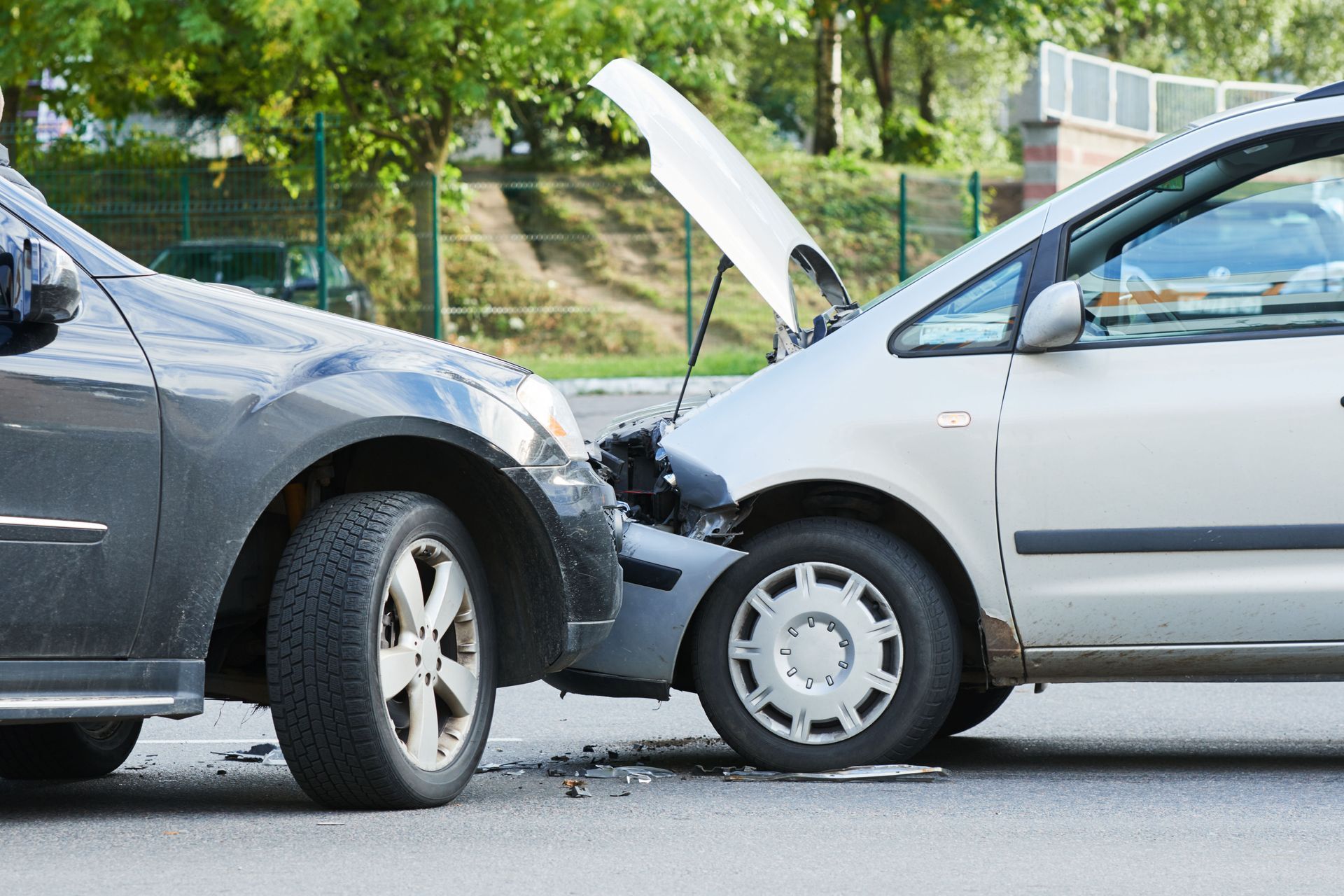
Structural repairs in EVs are also more complex due to the placement of battery packs and other electrical components. The battery often sits under the floor of the vehicle, affecting frame alignment and collision repair strategies. Specialized lifting and support equipment is required to avoid damaging the battery during repairs. Traditional gas cars do not face this constraint, as their fuel tanks and engine components are located in more accessible areas. This difference makes collision repairs for EVs more intricate and time-intensive, contributing to longer turnaround times and potentially higher labor costs. Ensuring that the repair shop has the proper equipment and experience is essential for restoring the vehicle safely.
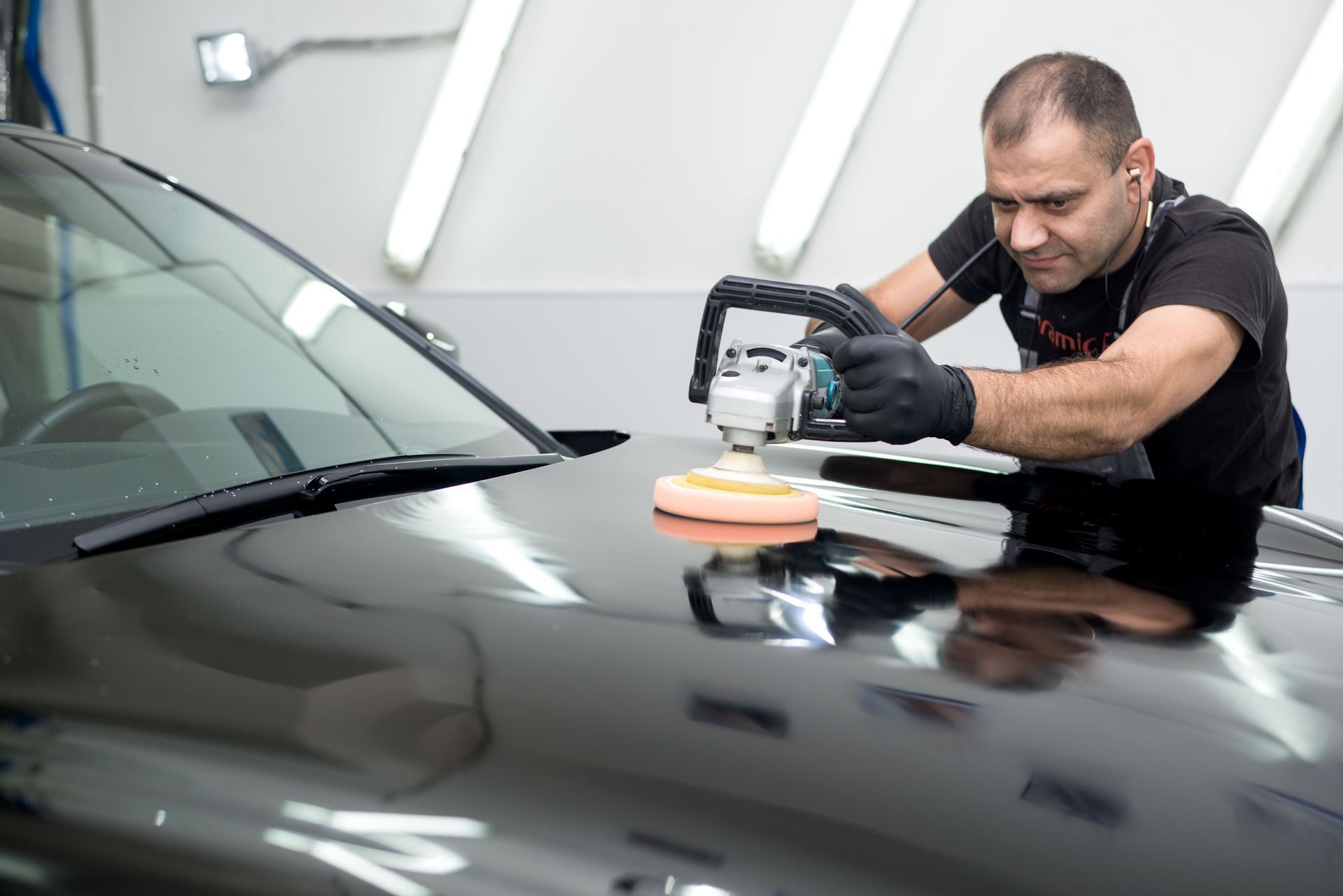
Paint and cosmetic repairs also differ when comparing EVs to traditional vehicles. EV manufacturers often use specialized paint formulations that may require expert paint matching to maintain color consistency and finish quality. Additionally, sensors and cameras embedded in EV bumpers and panels must be carefully removed and recalibrated to preserve safety systems. Gas-powered cars typically have fewer integrated electronics in body panels, making paint and cosmetic repairs more straightforward. These considerations mean that car repairs for EVs involve a more detailed process to ensure the vehicle maintains both aesthetic and functional integrity.
Importance of Battery Health Checks
Battery inspection and repair are critical aspects of EV collision repair. Even minor accidents can compromise the battery’s performance or safety, making comprehensive diagnostics essential. Technicians use specialized tools to test battery modules for damage, assess cell balance, and ensure the vehicle’s electrical systems are functioning correctly. In contrast, gas vehicle repairs focus more on mechanical systems like engines, transmissions, and fuel lines. Neglecting battery evaluation in an EV repair could lead to long-term performance issues or safety risks. Properly addressing battery concerns is a crucial step that differentiates EV repairs from standard car repairs.
Insurance considerations also vary when repairing EVs compared to gasoline vehicles. Because EV parts and labor costs are higher, insurance claims for EV collisions may require more detailed documentation and longer approval times. Repairs for gas-powered vehicles usually have standardized pricing and widely available replacement parts, streamlining the insurance process. EV owners should be prepared for potential delays in claims and ensure that their repair shop communicates clearly with their insurance provider. This proactive approach helps prevent misunderstandings and ensures repairs are covered appropriately.
Advanced Electronics and Sensor Recalibration
Modern EVs are equipped with an array of sensors, cameras, and advanced driver-assistance systems (ADAS). After a collision, these systems often require recalibration to function correctly. Failure to recalibrate sensors could impact features like automatic braking, lane assist, and parking assistance. Traditional gas-powered vehicles generally have fewer complex electronics, making sensor recalibration less critical. For EV repairs, recalibrating these systems adds a layer of work and expertise, emphasizing the importance of selecting a shop with the right tools and experience. Proper electronic system checks ensure the vehicle remains safe and fully operational post-repair.
Another factor distinguishing EV repairs is the emphasis on minimizing downtime. Many EV owners rely on their vehicles for daily commuting, making efficient service essential. Collision repair shops often provide options like loaner vehicles or flexible scheduling to accommodate these needs. While this is also true for gas car repairs, the added complexity of EV systems can extend repair timelines, making temporary transportation solutions even more important. Choosing a shop that prioritizes both quality and efficiency helps reduce the disruption caused by the repair process.
Environmental Considerations
EV repairs also involve unique environmental considerations. Handling lithium-ion batteries and other high-voltage components requires proper disposal and recycling procedures. Shops must adhere to strict regulations to ensure safe and environmentally responsible handling of damaged EV parts. Gas vehicle repairs primarily deal with fluids and metals, which are already widely recycled and managed in standard automotive facilities. Understanding these environmental responsibilities highlights another difference between EV repairs and traditional car repairs. Reputable shops ensure compliance with all environmental regulations, protecting both the customer and the surrounding community.
Tooling and equipment requirements are another differentiating factor in EV repairs. Technicians need specialized lifts, diagnostic software, and safety equipment to work on high-voltage vehicles safely. Standard lifts and hand tools used for gas cars may not provide the necessary protection or precision for EV components. Investing in these tools requires additional overhead for repair shops, which can impact overall repair pricing. Vehicle owners should verify that their repair facility is fully equipped to handle EV-specific needs, ensuring safe and effective car repairs. Proper tooling reduces the risk of damage to expensive components during the repair process.
Alex's Paint & Body Inc provides expert collision repair, auto body repair, auto painting, and precise paint matching services. Their team offers free, walk-in estimates, lifetime warranties on repairs, and same-week scheduling to help vehicle owners get back on the road quickly and safely. With extensive experience handling both electric and traditional vehicles, Alex's Paint & Body Inc ensures repairs are completed efficiently while maintaining the highest standards of quality and safety. For more information, contact us today!