February 12, 2026
The joy of purchasing a new vehicle often comes with the misconception that car repairs will be unnecessary in the immediate future. However, understanding the nuances of car maintenance and potential repairs is crucial for every vehicle owner, even those with brand-new purchases. Here, we'll explore the various aspects of car repairs post-purchase, ensuring you are well-prepared for any maintenance needs your new vehicle might encounter.
Regular Maintenance
Regular maintenance is the cornerstone of vehicle longevity and performance. Following the manufacturer's scheduled maintenance plan not only keeps your vehicle running smoothly but also helps prevent unexpected breakdowns. Routine checks and services are designed to catch minor issues before they become major, often costly, repairs.
Oil changes are among the most critical components of car maintenance. They ensure that the engine operates efficiently and help prevent wear that can lead to engine damage. Regular oil checks and changes as recommended by the manufacturer will significantly extend the life of your engine.
Tire maintenance, including regular rotations and checking tire pressures, is essential for safe driving. Properly maintained tires improve fuel efficiency and handling and reduce the risk of blowouts. Keeping an eye on tire wear patterns can also indicate alignment issues that may need addressing.
Warranties and Coverage
Car warranties provide a form of security blanket for new vehicle owners, covering various car repairs and replacements. There are typically different types of warranties, including bumper-to-bumper, powertrain, and corrosion warranties. Each type offers different levels of protection and covers specific vehicle components.
Knowing what a warranty covers can save you from unexpected repair costs. Common coverage includes essential systems like the engine and transmission, and sometimes extends to electronics depending on the warranty specifics. It's vital to read the fine print to understand the limitations of your coverage fully.
Warranty claims can sometimes be complicated, requiring proof of maintenance and detailed repair records. Keeping meticulous records of all services performed will simplify this process. Understanding the claims process ensures that you can take full advantage of your warranty when needed.
Common Repairs Needed in New Vehicles
Even new vehicles may experience a range of common issues requiring car repair. Factory defects and recalls are the most prevalent concerns, often addressed via dealer notifications. Responding to these issues promptly is crucial to maintaining vehicle safety and performance.
Modern vehicles rely heavily on electronics and software, making them susceptible to related issues. Faulty sensors, connections, or software glitches can impact everything from the infotainment system to essential safety features. Regular updates and checks can prevent these problems from developing into more severe issues.
Suspension systems in new vehicles might exhibit problems such as misalignment or faulty components. These issues can affect ride quality and steering precision, leading to uneven tire wear and decreased vehicle handling. Keeping suspension systems in check is fundamental for safe and enjoyable driving.
Professional Repairs and Why Expertise Matters
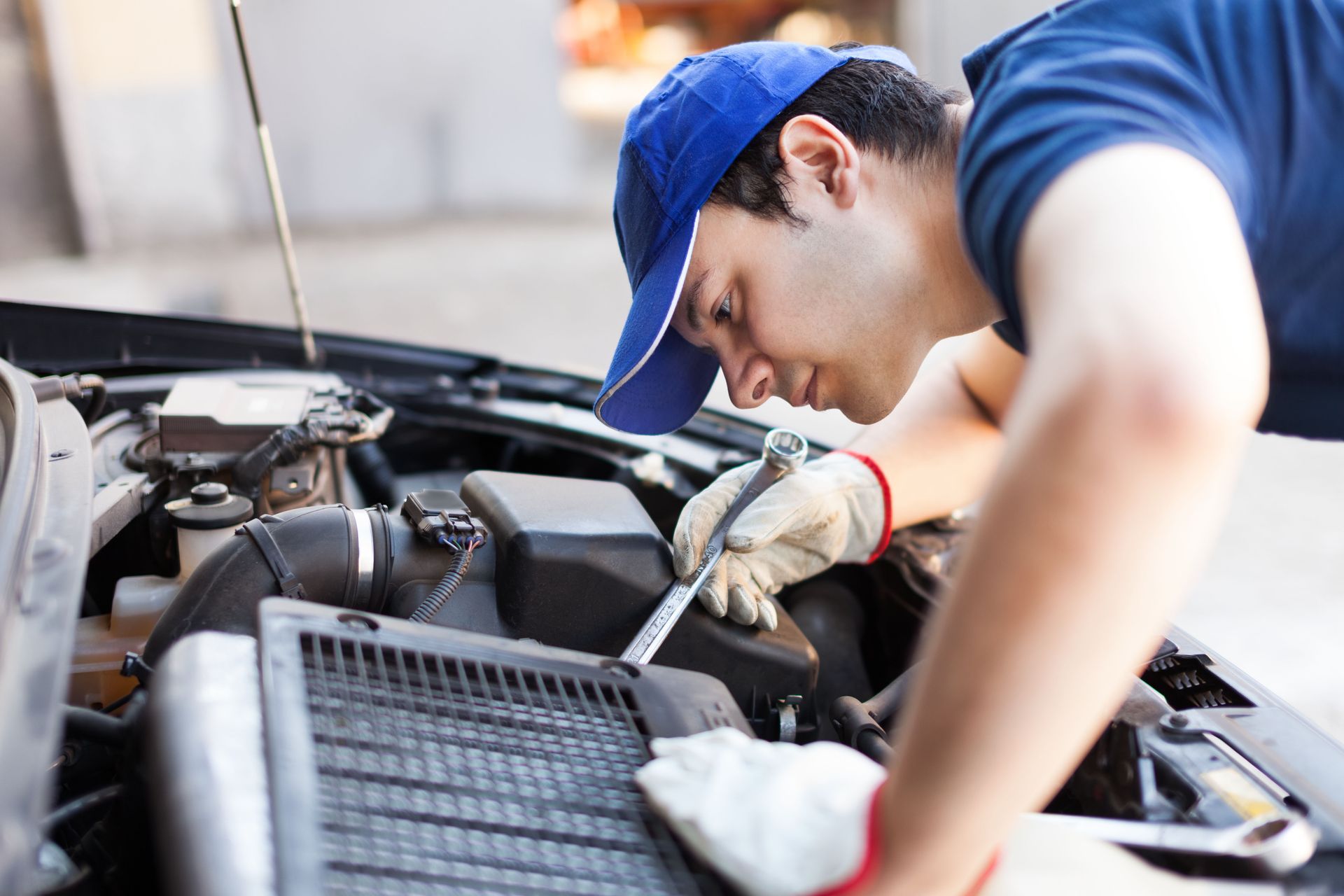
When vehicle issues arise, professional repair services offer a level of expertise and precision that is difficult to replicate outside of a certified shop. Trained technicians have the experience, diagnostic equipment, and manufacturer-specific knowledge needed to identify problems accurately and resolve them efficiently. This is especially important for modern vehicles, which rely heavily on advanced electronics, sensors, and integrated systems.
Even routine maintenance tasks are best handled by professionals who can spot early signs of wear or failure that may not be obvious to the average vehicle owner. Services such as oil changes, brake inspections, and tire servicing often include comprehensive checks that help prevent more serious issues from developing over time. Professional service ensures that all work is completed according to manufacturer specifications, which is essential for maintaining warranty coverage.
Attempting repairs without proper training or tools can lead to incomplete fixes, safety risks, or additional damage that increases overall repair costs. Certified repair facilities use specialized equipment designed to handle today’s complex vehicles and follow established safety standards throughout the repair process. Relying on professional repairs not only protects your vehicle’s performance and reliability but also provides peace of mind, knowing the work has been done correctly and responsibly.
Detailed Records
Keeping detailed records of maintenance and car repairs lays the groundwork for future vehicle reliability. Organized documentation can help identify patterns of issues and maintain consistency in care. It also simplifies the process of transferring vehicle history to future buyers.
A well-documented service history enhances the resale value of your vehicle by assuring potential buyers of its maintenance consistency. Buyers are often willing to pay a premium for cars with comprehensive service records, translating into a better return on your investment. These records can be pivotal during negotiations on resale.
Digital tools, such as vehicle maintenance apps, can make record-keeping more manageable and streamlined. These tools allow you to track service schedules, expenses, and repair histories easily. Implementing digital solutions ensures that you're ready with documented evidence when navigating warranty claims or addressing vehicular disputes.
Future Repairs
Understanding the lifespan of vehicle components helps in planning for inevitable repairs. Being informed allows owners to anticipate when specific parts may need attention or replacement. Recognizing early signs of wear will help prevent minor issues from escalating into costly repairs.
Building a repair and maintenance budget is prudent given that approximately 80% of a vehicle's repair costs occur within the first 10 years of service, according to Zipdo. Allocating funds ahead of time prepares you for unexpected expenses and ensures that maintenance doesn't impact your financial stability. A proactive approach reduces stress and maximizes vehicle uptime.
Establishing a relationship with a trusted mechanic can be invaluable. A reliable professional aware of your vehicle's history can provide better service and more accurate advice. Consistent patronage may also lead to preferential treatment, such as cost savings or prioritized service times.
The Break-In Period
The first few thousand miles after purchasing a new vehicle are often referred to as the “break-in period,” and how a car is driven during this time can influence its long-term performance and repair needs. Although modern manufacturing has reduced the strictness of traditional break-in requirements, components such as the engine, transmission, brakes, and suspension still benefit from gradual use. Avoiding aggressive acceleration, hard braking, and sustained high speeds during this period allows parts to seat properly and wear evenly.
Brake systems, in particular, may require a short bedding-in process. New brake pads and rotors need controlled use to establish optimal contact surfaces. Failure to do so can lead to uneven wear, vibrations, or premature brake repairs. Similarly, tires may experience early wear if alignment or inflation is slightly off from the factory, making early inspections worthwhile.
Fluids also deserve attention during the break-in phase. While many vehicles no longer require an early oil change, checking fluid levels regularly during the first few months can help catch leaks or consumption issues before they become serious. Some manufacturers recommend an initial inspection or service visit to confirm everything is operating as intended.
Paying close attention during this early ownership stage helps identify minor concerns that could otherwise develop into larger repair issues. Addressing unusual noises, warning lights, or changes in performance early on ensures that your new vehicle transitions smoothly into reliable long-term ownership, minimizing unexpected repairs down the road.
While owning a new vehicle comes with many benefits, it's crucial to stay informed about potential repairs and maintenance requirements. By understanding warranty coverage, recognizing common issues, and knowing when to seek professional help, you can ensure your vehicle remains in top condition. Properly maintaining your car and keeping detailed records not only enhances your safety but also preserves the value of your investment. With diligent care and foresight, you can enjoy your new vehicle for many years to come. If you need a professional
car repair, contact Alex's Paint & Body Inc today.