November 13, 2026
Restoring a motor vehicle following a traffic collision involves an intricate synthesis of mechanical recalibration, structural metal realignment, and meticulous cosmetic artistry. While motorists naturally prioritize structural safety, engine performance, and cabin comfort following roadway impacts, the visual finish of the exterior bodywork represents the ultimate public testament to repair quality. When a vehicle leaves a repair facility, any discrepancy in exterior paint pigmentation or clear coat luster signals previous damage, diminishing vehicle aesthetics. Achieving a flawless, factory-grade finish across repaired panels demands far more than merely ordering a stock paint code and spraying isolated replacement parts. Automotive paint finishes undergo continuous environmental aging, weathering subtle color shifts caused by baking solar ultraviolet rays, industrial acid fallout, road grime, and automated brush car washes. Consequently, brand-new paint mixed strictly to original factory specifications will noticeably mismatch surrounding weathered panels if applied without artistic transition. The high expectation for transparent craftsmanship is shared across motorists; indeed, according to ZipDo, 81% of customers want a detailed written estimate before collision repair work begins. This clear consumer expectation demonstrates why transparent diagnostic communication regarding paint blending protocols remains an indispensable phase of professional collision restoration. Understanding why color blending separates amateur repainting from undetectable restoration empowers vehicle owners to demand true craftsmanship, preserving automotive equity and providing lasting peace of mind across every roadway journey.
Understanding Metamerism and Spectral Color Variation
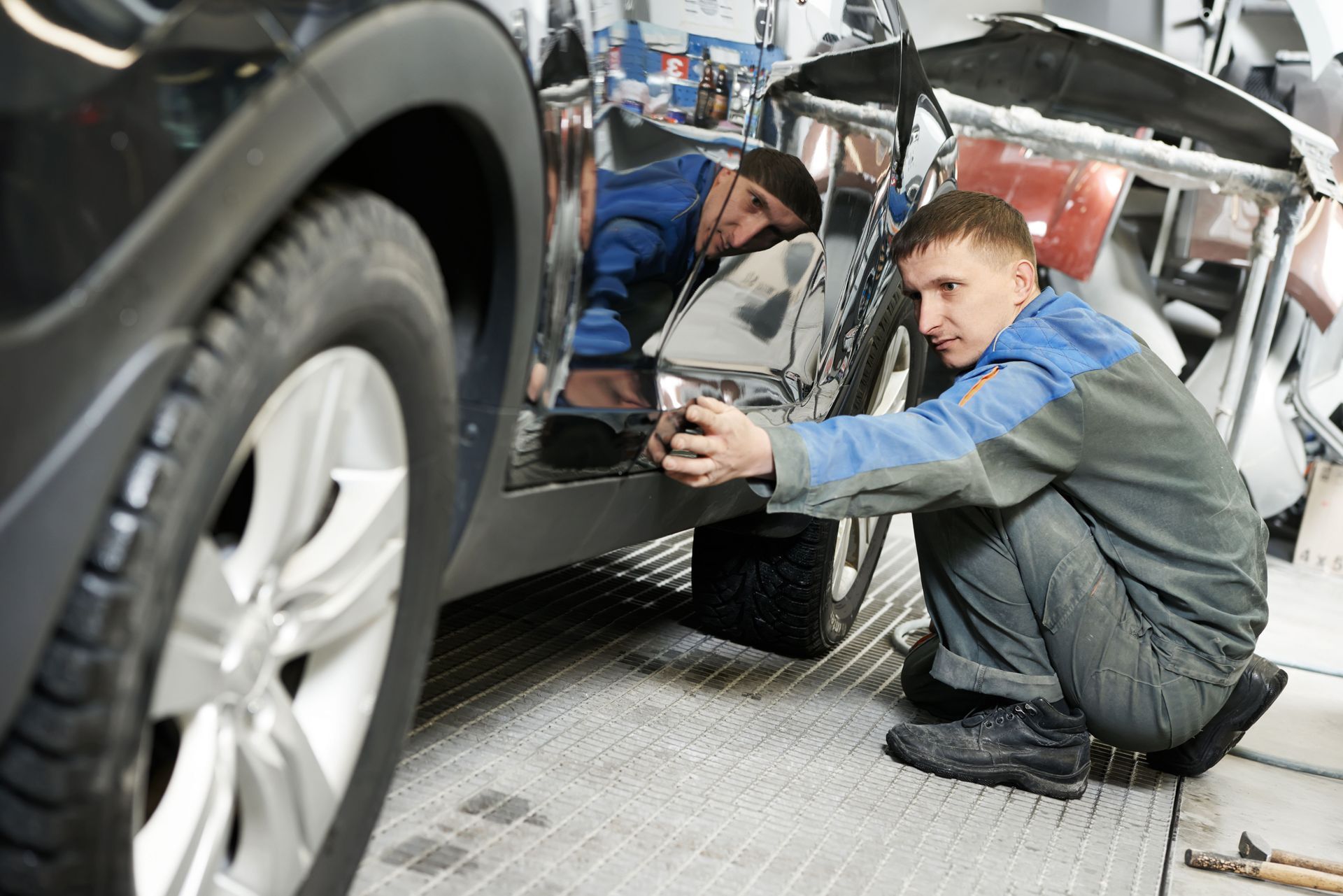
The primary scientific obstacle confronting automotive refinish technicians is the optical phenomenon known as metamerism, where separate paint surfaces appear identical under a specific ambient light source yet clash dramatically under another. An automobile repainted in an indoor shop illuminated by fluorescent tubes might appear perfectly matched, only to reveal noticeable shade mismatches when parked under natural midday sunlight or beneath high-pressure sodium streetlights at night. Even when refinishers utilize computerized spectrophotometers, variations in pigment batches, spraying humidity, and air pressure introduce subtle hue shifts. Sourcing experienced technicians who specialize in complex car frame repairs and delicate panel blending ensures that technicians do not stop applying color at artificial panel gaps. Instead of creating abrupt edges, artisans feather base coats into adjacent panels, allowing pigment particles to taper off across surrounding factory paint. Blending pigment transitions fools human optical perception, ensuring that natural sunlight reflects seamlessly across vehicle flanks without revealing harsh dividing lines. Eliminating metameric discrepancies guarantees consistent color harmony across varying lighting conditions.
Preparing Adjacent Substrates and Clearing Surface Contaminants
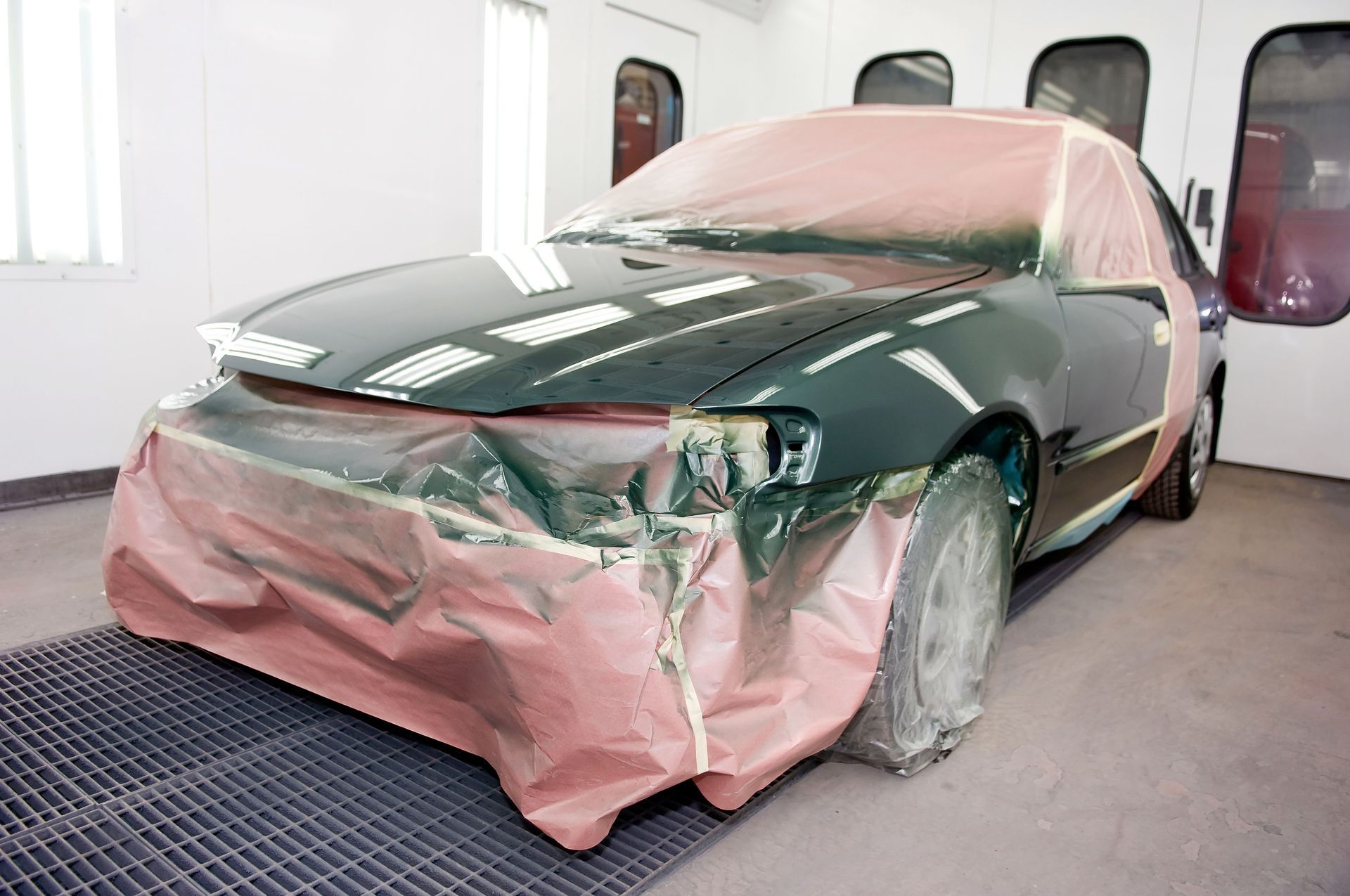
Flawless paint blending requires surgical cleanliness and meticulous substrate preparation across neighboring panels long before technicians introduce pressurized spray guns into ventilated booths. Because technicians must feather base coat pigment and apply full clear coats over adjacent panels, neighboring surfaces must receive rigorous scuffing and chemical decontamination. Technicians wash panels with grease-removing solvents, extracting road tar and silicone residues from porous crevices. Qualified technicians who execute structural car frame repairs recognize that applying paint over contaminated surfaces results in disastrous clear coat peeling, fisheyes, and solvent popping. After chemical decontamination, technicians use ultra-fine scuffing pads paired with specialized abrasion pastes to create an even, microscopic mechanical profile across adjacent panels without cutting through original factory clear coats. This meticulous mechanical tooth ensures that fresh urethane clear coats bond tenaciously to older factory finishes without leaving visible sand scratches beneath the gloss. Furthermore, masking off delicate trim with foam tapes prevents harsh overspray lines. Rigorous preparation creates an immaculate foundation that guarantees permanent clear coat adhesion.
Transitioning Base Coat Pigment and Tapering Metallic Flakes
The core mechanical execution of color blending centers on the controlled application of base coat pigmentation, particularly when treating modern pearl, mica, and metallic automotive finishes. Modern metallic finishes contain microscopic aluminum flakes that must lie flat and parallel to reflect light uniformly. Attempting a spot repair without feathering color causes metallic flakes to stack irregularly, creating a dark, cloudy ring known in the collision trade as an optical halo. Automotive technicians coordinating extensive car frame repairs utilize specialized blending agents—clear resins applied directly over prepared surfaces before base coat delivery—to keep pigment edges wet and fluid. Technicians then apply color in progressive, feathered passes, reducing fluid volume and widening spray patterns with each overlapping stroke. This dynamic technique allows metallic flakes to settle naturally without piling up or clumping along panel borders. Tapering pigment density ensures an unbroken sheet of color, eliminating blotchiness common in amateur spot repairs.
Replicating Factory Orange Peel and Texture Consistency
Achieving a truly undetectable collision repair demands far more than matching color hue and metallic flake density; it requires matching the exact surface texture of the vehicle's factory clear coat. Automated factory applicators produce subtle, wave-like surface variations recognized as orange peel. If a repaired door receives an ultra-smooth clear coat while the adjacent fender displays factory texture, the repaired area stands out immediately under ambient reflections. Collision artisans who guide vehicles through structural car frame repairs meticulously adjust paint gun nozzle sizes, fluid delivery rates, ambient spray temperatures, and air pressures to mirror original factory orange peel textures. Applying premium high-solids urethane clear coats across entire blended panels allows technicians to maintain uniform film builds and reflection depths from bumper to taillight. Matching texture profiles ensures horizon lines reflect across vehicle sides without visual warpage, confirming panels share identical characteristics.
Harmonizing Aging Factory Finishes With Fresh Urethane Coatings
Automotive finishes are dynamic chemical matrices that age continuously under relentless environmental exposure, shifting slightly away from original factory pigmentation with every passing year. Solar rays bleach organic pigments, acid rain erodes surface polymers, and road salts etch vehicle surfaces. When severe impacts demand structural car frame repairs, installing brand-new factory-coded parts directly onto an older vehicle creates an immediate visual conflict. Skilled refinishers resolve this age disparity by blending fresh color across adjoining original panels, creating a gentle visual gradient that harmonizes newly sprayed panels with seasoned original surfaces. Furthermore, applying an integrated clear coat over both the repaired section and the prepared adjacent panels seals both finishes beneath a unified, protective acrylic urethane shield. High-performance clear coats incorporate advanced ultraviolet light absorbers that protect underlying pigments from future solar fading, ensuring that repaired areas age at the same rate as the surrounding vehicle body. Harmonizing weathered finishes preserves cohesive aesthetics and eliminates telltale signs of previous damage.
The transformative difference between an obvious collision repair and a flawless, showroom-grade restoration lies in the specialized art and science of paint blending. Modern automotive finishes, with their complex metallic flakes, translucent pearls, and weathered factory clear coats, cannot simply be masked off and painted within isolated panel margins without leaving unsightly color contrasts. By understanding optical metamerism, preparing adjacent substrates with surgical precision, tapering metallic flakes seamlessly, and replicating factory clear coat textures, skilled refinishers eliminate the visual evidence of collision damage. Bypassing uncertified repair operations in favor of master artisans ensures restored panels receive the feathering necessary to withstand weathering. Proactive vehicular stewardship transforms damaged automobiles back into pristine masterpieces, defending resale valuation. Prioritizing master paint blending preserves automotive equity and guarantees lasting peace of mind across every passing journey for motorists.
At Alex's Paint & Body Inc, our dedicated team brings deep refinishing expertise, computerized color-matching technology, and an unwavering commitment to craftsmanship on every vehicle we restore, ensuring your automobile achieves flawless panel alignment, factory paint blending, and extraordinary structural safety across every finished surface. Contact us today or visit our local repair facility to schedule your comprehensive collision repair evaluation and discover the lasting benefits of working with trusted auto body professionals.